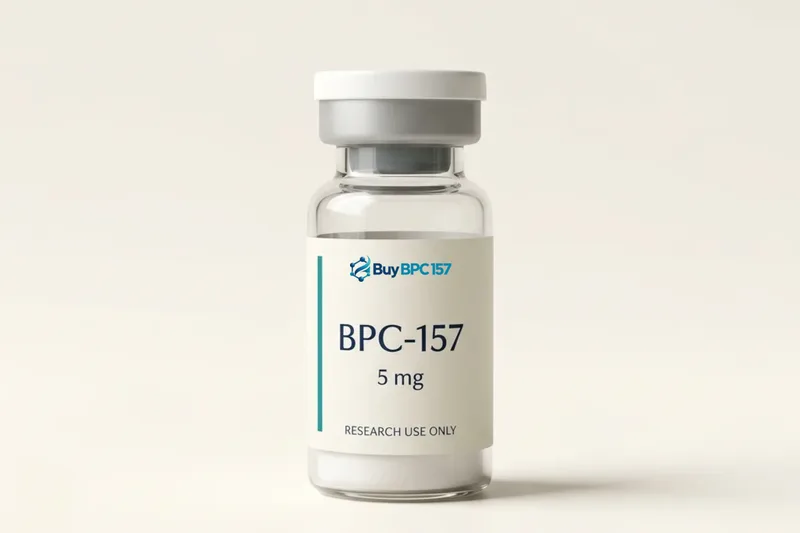
BPC-157 5mg Vial
Lyophilized powder · 5 mg
$38.50 Unverified illustrative price
COA required · ≥ 99% purity standard Proposed, unverified threshold
View product detailsThe research catalog
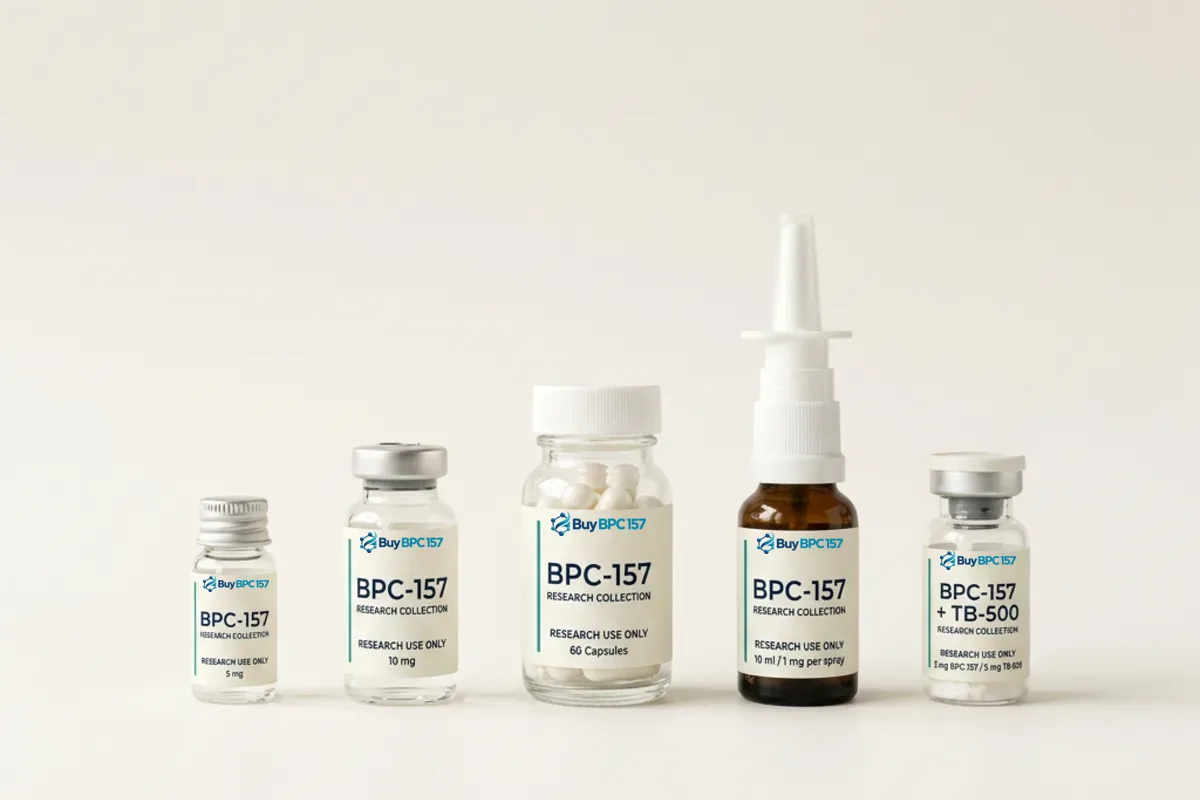
Compare physical formats before comparing numbers. This catalog brings together nominal BPC-157 vials, capsules, a spray format and a two-component blend, with the questions each material file needs to answer.
Despite the familiar storefront language, nothing is sold here. There is no checkout. Prices are illustrative and unverified; availability is not confirmed.
A format name is a starting point for documentation, not proof of suitability. Read the batch identity, net content and method behind a purity statement. Finished formulations require additional evidence beyond a raw-peptide certificate.
Lyophilized powder · 5 mg
$38.50 Unverified illustrative price
COA required · ≥ 99% purity standard Proposed, unverified threshold
View product details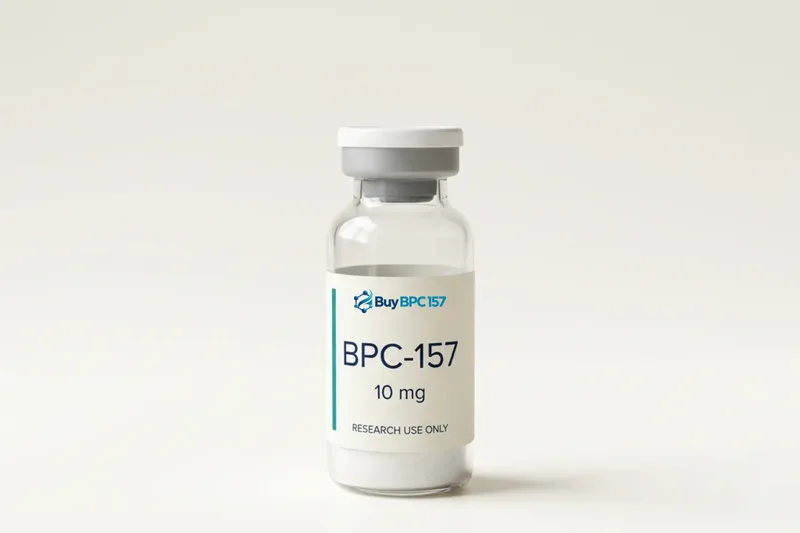
Lyophilized powder · 10 mg
$64.50 Unverified illustrative price
COA required · ≥ 99% purity standard Proposed, unverified threshold
View product details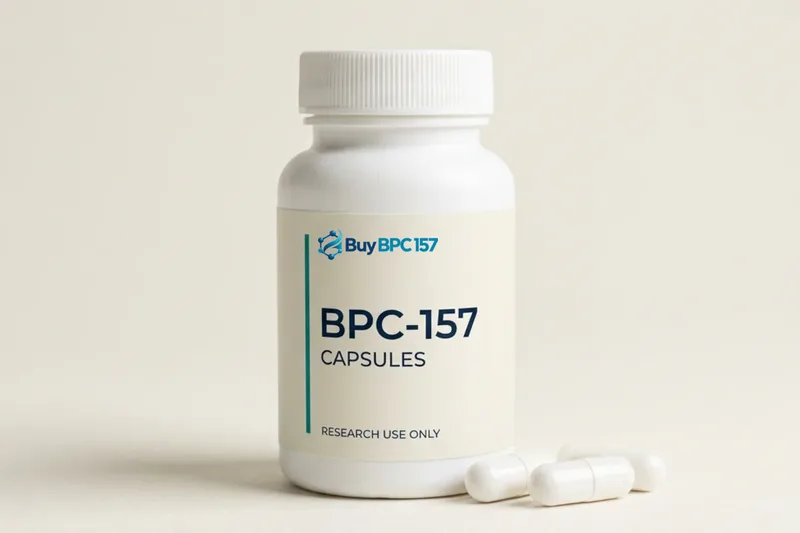
Capsules · 500 mcg × 60
$78.50 Unverified illustrative price
COA required · ≥ 99% purity standard Proposed, unverified threshold
View product details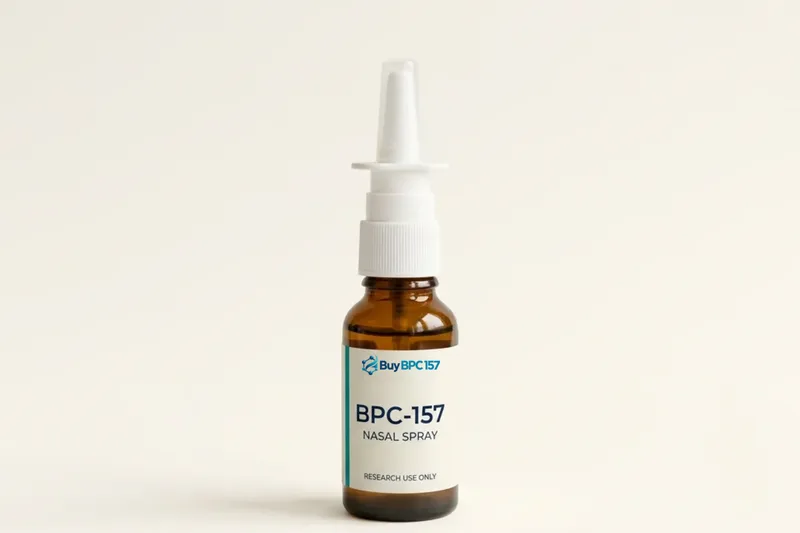
Metered spray · 10 mg / 10 mL
$56.50 Unverified illustrative price
COA required · ≥ 99% purity standard Proposed, unverified threshold
View product details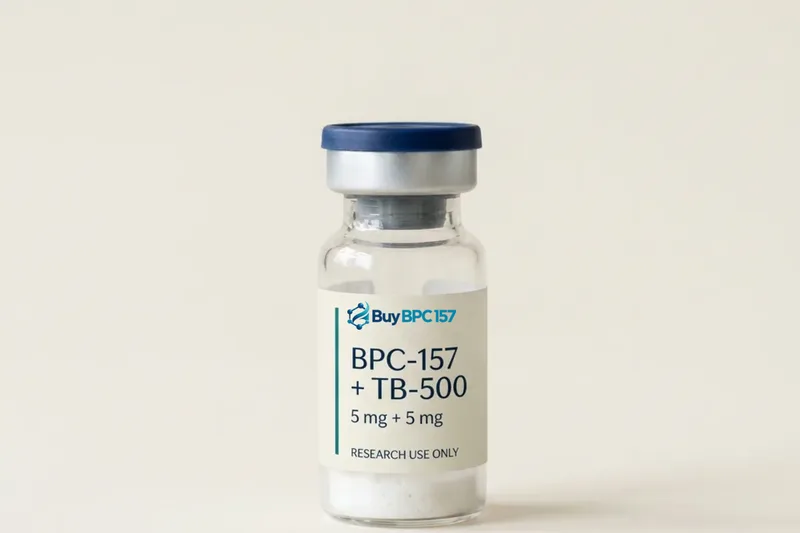
Lyophilized powder · 5 mg + 5 mg
$86.50 Unverified illustrative price
COA required · ≥ 99% purity standard Proposed, unverified threshold
View product detailsThe 5mg and 10mg names describe nominal dry-material mass. Prepared concentration depends on solvent volume and actual content. Choose the format only after establishing a laboratory method and checking the material file.
Shell, excipients and content uniformity belong in the record. Ingredient purity does not establish the composition of a finished capsule. Count and content on this catalog remain unverified placeholders.
Volume in a bottle does not establish output per actuation. Formulation stability, analytical content and pump behavior need separate evidence. This listing makes no route-performance claim.
A stated ratio needs quantitative support. BPC-157 and the TB-500 fragment each require identity evidence, and a blend method must distinguish intended components from impurities.
The minimum material file
We require a batch-matched COA, a traceable batch number, HPLC purity information and mass-spectrometric identity evidence. The report must state its sample and analytical scope. Net peptide content is a separate requirement, not something assumed from chromatographic area.
No listed batch has yet been verified. The proposed ≥ 99% threshold is unverified. The quality standard explains the evidence required, while the buying guide provides a practical framework without naming or ranking vendors. Use the calculator only after the mass and volume inputs are independently established.
They are layout illustrations, not confirmed prices or live purchase offers. No transaction takes place on this site. A final listing would need verified commercial and material information before its status could change.
No. There is no cart, payment processing, reservation or fulfillment promise.
No batch-specific certificate is currently verified. Certificate illustrations explain the required document type; they are not actual reports for these listings. Request complete analytical records before evaluating any material.
No. BPC-157 is not FDA-approved for any use. A laboratory-use label does not establish permission for personal use or change sports rules. Read the regulatory guide for primary sources.
They differ in stated peptide mass before preparation. A larger nominal mass does not establish higher purity, a different sequence or a particular concentration. Actual content and final volume are separate variables.
The research overview separates model-specific observations from unresolved human questions. It is educational context, not validation of a product or a recommendation for an experimental or personal-use amount.