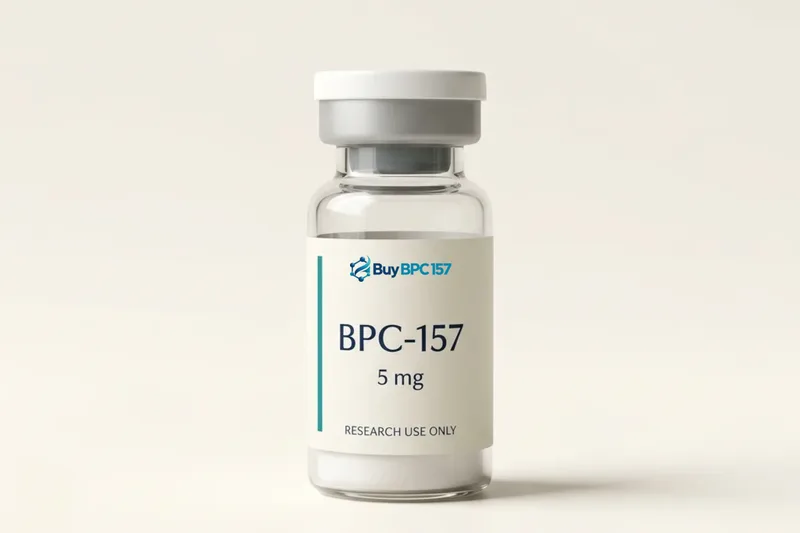
BPC-157 5mg Vial
Lyophilized powder · 5 mg
$38.50 Unverified illustrative price
COA required · ≥ 99% purity standard Proposed, unverified threshold
View product detailsThe research starts with the material.
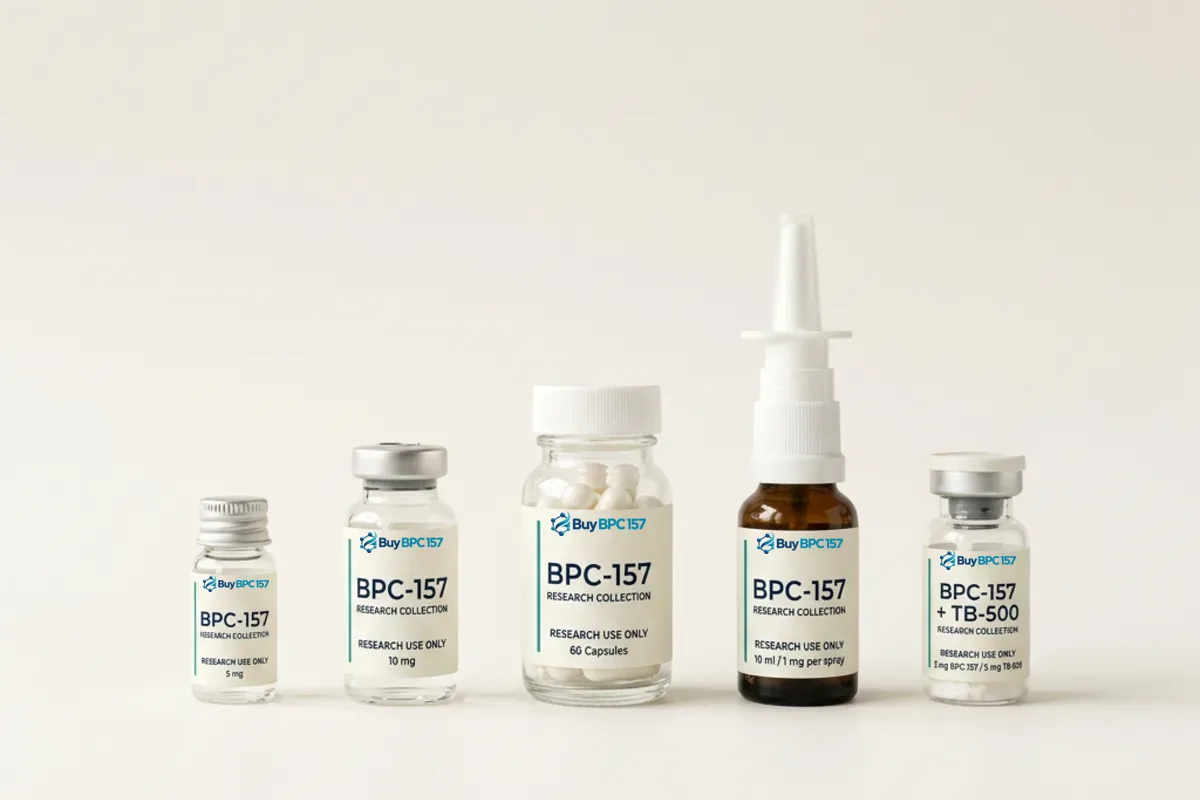
Research-grade BPC-157 vials, capsules, nasal spray and TB-500 blends. COA standards on every listed product.
For laboratory research only. Catalog and guides, not a checkout.
01 / The catalog
Lyophilized powder · 5 mg
$38.50 Unverified illustrative price
COA required · ≥ 99% purity standard Proposed, unverified threshold
View product details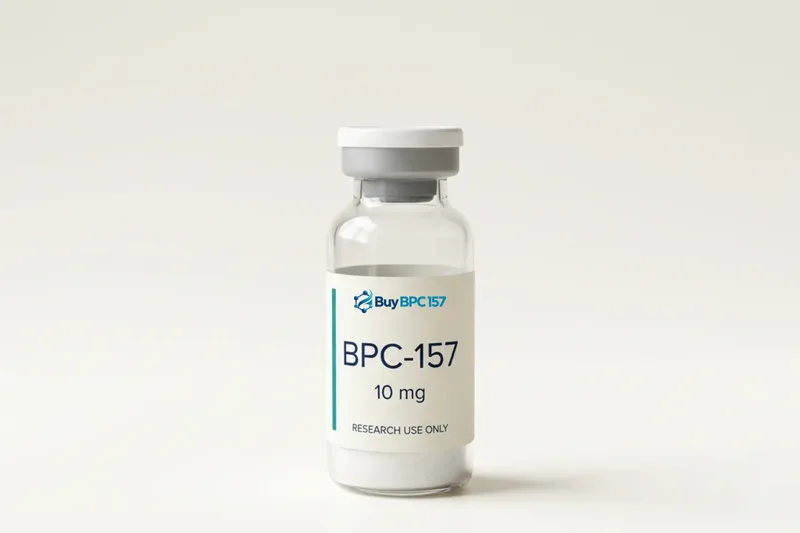
Lyophilized powder · 10 mg
$64.50 Unverified illustrative price
COA required · ≥ 99% purity standard Proposed, unverified threshold
View product details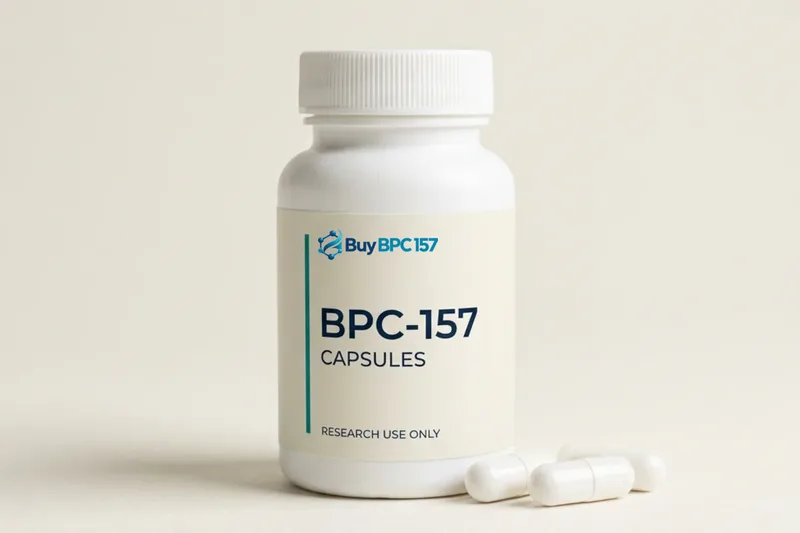
Capsules · 500 mcg × 60
$78.50 Unverified illustrative price
COA required · ≥ 99% purity standard Proposed, unverified threshold
View product details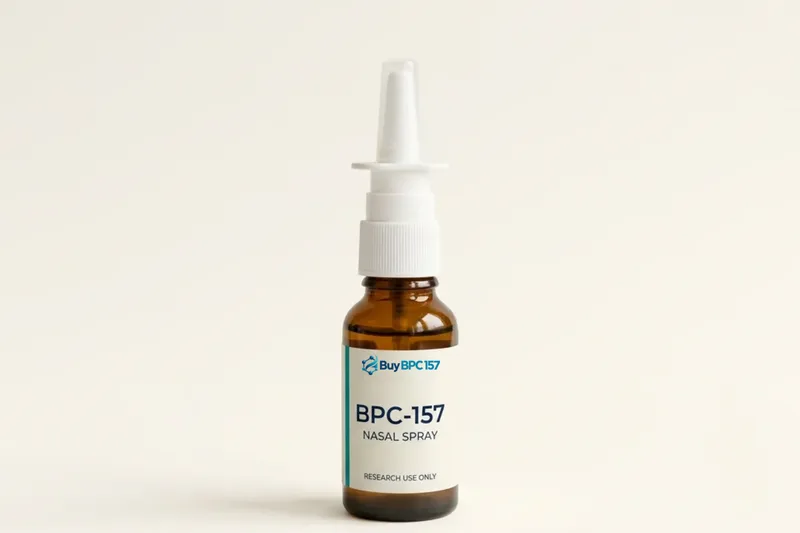
Metered spray · 10 mg / 10 mL
$56.50 Unverified illustrative price
COA required · ≥ 99% purity standard Proposed, unverified threshold
View product details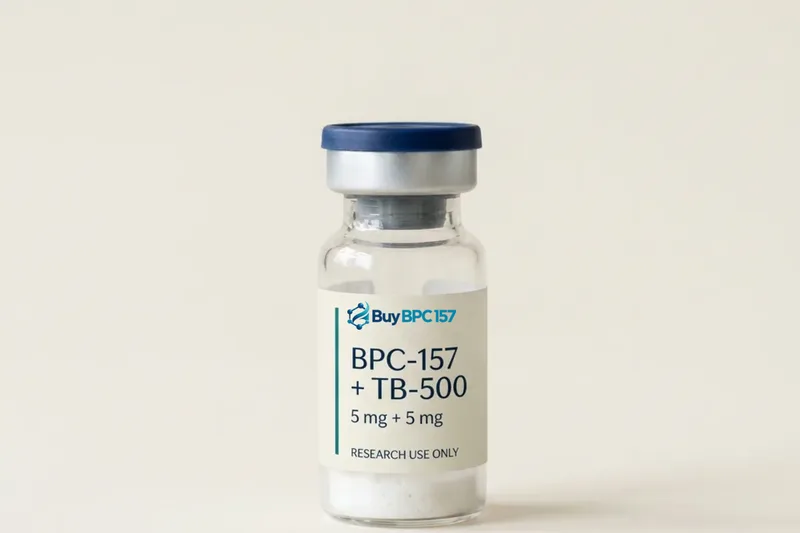
Lyophilized powder · 5 mg + 5 mg
$86.50 Unverified illustrative price
COA required · ≥ 99% purity standard Proposed, unverified threshold
View product details02 / Form follows the method
A dry format separates the material record from any later preparation. Nominal mass, salt form and excipients should be confirmed before concentration arithmetic begins. Compare the 5mg vial and 10mg vial as inventory formats, not as suggested experimental amounts.
A finished capsule introduces shell composition, fill materials and content uniformity questions. A peptide ingredient certificate cannot establish all of those properties. The capsule listing makes the unverified formulation details explicit.
A spray bottle combines a liquid with a delivery device. Bottle content and output per actuation are different measurements, and route-specific evidence remains limited. Read the spray-format specification without assuming the device establishes performance.
A mixture needs clear identities and quantitative evidence for both components. A single purity number does not explain a blend. The blend listing separates the nominal ratio from the analytical evidence still required.
03 / A little context
BPC-157 is a 15-amino-acid peptide fragment associated with the Body Protection Compound research literature. Its sequence is a chemical identity, not a statement about the suitability of a particular vial. Published investigations examine defined preparations in specific experimental models.
Much of the literature is preclinical. For example, Chang et al. (2011) examined rat tendon and tendon fibroblast preparations. That design cannot establish human efficacy or validate a product format. Limited human evidence is a reason for precision, not a reason to imply that every possible question has been answered.
The BPC-157 research overview explains structure, study areas and the boundaries of interpretation. It distinguishes a laboratory observation, a proposed mechanism and an established conclusion. Those distinctions should remain visible even when a catalog uses familiar storefront conventions.
04 / Documentation, not decoration
A complete material file should let another evaluator follow the same chain from label to sample to report, without guessing which claim a document supports.
A certificate is useful only if it connects the tested sample to the material under consideration. We require a matching batch number, analytical methods, report dates and identity evidence. HPLC purity, mass-spectrometric identity and net peptide content answer different questions; no one percentage replaces the other records.
The proposed ≥ 99% purity threshold is unverified. No batch on this site is represented as tested by us. Illustrative photography and placeholder prices are clearly marked, because polished presentation should never stand in for evidence. Read the full COA requirements before assessing any listing.
Finished formats need additional information. A capsule raises formulation and uniformity questions; a liquid raises stability and device questions; a blend needs component-specific analysis. The same documentation cannot be assumed to cover every format merely because the peptide name is shared.
05 / Keep the categories distinct
BPC-157 is not FDA-approved for any use. The FDA’s bulk-substance page lists BPC-157 among substances nominated but withdrawn, previously in Category 2, and identifies immunogenicity, impurity and insufficient human-safety-information concerns. That history is not an approval pathway for this catalog.
The WADA Prohibited List identifies BPC-157 under S0 and TB-500 under S2 as prohibited at all times. Laboratory labeling does not change sports rules. The regulatory guide separates research-material descriptions, compounding discussions and anti-doping status without treating them as interchangeable permissions.
Units made clear
Convert specified peptide mass and solvent volume into concentration. The tool handles arithmetic only; it does not recommend any amount, solvent or experimental procedure.
06 / The reading room
Buying & vetting
Follow the batch number, read the method and separate ingredient documentation from finished-format evidence.
Dosage & prep
Understand nominal mass, measured volume and the assumptions that sit behind a concentration calculation.
Comparisons
Two names, different identities. Learn why a shared research topic does not establish a blend interaction.
Legal & news
Keep approval, compounding discussions, research labeling and sports rules in their proper categories.
Research overview
Begin with the molecule, then read the experimental model and the limits of the observation.
Before you go further
Start here, then follow the documentation or research links for the detail behind each answer.
No. Buy BPC 157 is a research-peptide catalog and guide library. There is no cart, checkout or transaction. Availability is unconfirmed and every displayed price is an unverified illustration.
The catalog is for laboratory research material, not human or veterinary use. It does not provide personal-use instructions or individual advice. A laboratory must evaluate material under its own approved methods and applicable institutional requirements.
No. The displayed threshold is a proposed listing standard, not a measured batch value. No site-run testing is claimed. A real assessment needs a complete, batch-specific certificate and supporting identity and content documentation.
At minimum, a traceable batch, sample identity, analytical laboratory, methods and dates. Relative purity, molecular identity and content should be distinguished. A generic image or an unexplained percentage does not establish those properties for a physical container.
No. It uses amounts entered by the researcher and performs unit conversions. It cannot choose a method, establish actual content, verify a solvent or account for preparation losses. Its outputs are arithmetic, not a protocol.
BPC-157 is not FDA-approved for any use. Research literature and laboratory labeling do not change that fact. The regulatory guide links directly to FDA and WADA information and explains the limits of this catalog’s educational content.
The guides separate physical specifications from experimental findings and cite sources for research or regulatory statements. They avoid assigning findings from a study to a catalog item. Unverified product details remain marked rather than being presented as confirmed facts.
Start with a better question
Explore five research formats, then use the guides to evaluate documentation, analytical scope and the limits of the evidence. Nothing is sold here, and no photograph replaces a certificate.
Explore the catalog ↗Research documentation
Compare batch identity, analytical methods and content documentation before evaluating a research format.
View quality standards