Buy BPC 157 is a research catalog and educational library, not a source of legal advice. BPC-157 is not FDA-approved for any use. That is an important starting point, but it does not by itself answer every question about laboratory material, pharmacy compounding, importation or sports rules.
This article distinguishes those categories and links to the primary sources used for this edition. It does not assert an unverified advisory vote, infer a final agency action from meeting materials or promise that a research-use label resolves a jurisdiction-specific question.
FDA approval is not a purity statement
BPC-157 is not FDA-approved for any use. A certificate of analysis, a high chromatographic purity value or a laboratory-use label does not change that status. Those documents may concern a material’s analytical properties, while approval concerns a distinct regulatory process.
A common misunderstanding is to interpret a compound discussed in a regulatory document as if the discussion itself establishes permission. Nomination, categorization, advisory consideration and final agency action are different events. Each needs its own source and date.
The catalog’s quality requirements therefore do not use analytical language as a proxy for approval. Even a fully characterized research material would remain separate from a claim about an authorized human use.
The FDA page now describes a withdrawn nomination
The current FDA page on bulk substances that may present significant safety risks lists BPC-157 among substances nominated but withdrawn. It identifies BPC-157 as previously in Category 2. Describing it simply as “currently Category 2” would omit that update.
The page identifies concerns involving immunogenicity, peptide-related impurities and insufficient human safety information. Those concerns should not be minimized by replacing the FDA’s category description with a generic “research only” assurance. Laboratory labeling does not answer the safety questions identified by the agency.
This edition uses the current page’s description rather than preserving an outdated category statement from an older brief. The distinction matters because a historical category, a withdrawn nomination and a current list entry are not interchangeable labels.
What the 2026 advisory materials actually establish
The FDA materials for the July 23–24, 2026 Pharmacy Compounding Advisory Committee meeting establish the meeting context and an FDA proposal not to include BPC-157 free base and acetate on the relevant list. They do not, by themselves, substantiate a claimed final recommendation outcome.
This article therefore does not report a vote count or claim that a particular recommendation was adopted. It also does not assert what final action the FDA has or has not taken without an appropriate source. A proposal in meeting materials is evidence of a proposal, not proof of every subsequent event.
For an updated account, a reader would need the official record appropriate to the claim: meeting minutes or transcript for an advisory outcome, and an agency document for a final action. The source should be matched to the event rather than used as a general citation for a broader narrative.
Why an advisory discussion is not an approval
An advisory committee’s consideration is not the same as an agency’s final decision, and a compounding-list question is not the same as a drug-approval question. Combining those steps into a single phrase such as “approved after a vote” would erase the distinctions needed to understand the record.
Even a change in an administrative category would need to be read for its exact scope, conditions and effective status. It would not automatically establish that every preparation, seller, route or claimed use is authorized. A categorical statement without that scope can be more misleading than a carefully limited answer.
Accordingly, this guide does not speculate about what a hypothetical Category 1 placement would permit in a particular case. It explains that a list category is not itself a general approval and that current primary materials must be consulted for a specific compounding question.
Research-use sales are a separate question
A research-use label communicates intended context. It does not independently establish compliance with every law governing a substance, shipment, claim or transaction. Product presentation, intended use, jurisdiction and institutional requirements may all be relevant to an actual legal assessment.
This site does not sell material or provide a checkout. That operational limitation should not be confused with a legal conclusion about transactions conducted elsewhere.
The buying and vetting guide addresses analytical documentation without ranking sellers or promising legal availability. A complete certificate can answer some chemical questions while leaving regulatory and institutional questions unresolved.
WADA identifies BPC-157 under S0
The WADA Prohibited List identifies BPC-157 under S0 and prohibits it at all times. TB-500 is identified under S2 and is likewise prohibited at all times. A blend does not create an exemption from those classifications.
“At all times” is not limited to competition day. The sports-code question is separate from whether a material appears in a laboratory catalog or has an analytical certificate. Neither a purity claim nor a research-use disclaimer changes the prohibited-list entry.
People subject to a sports code should obtain current guidance from their governing authority. This guide does not interpret an individual athlete’s obligations, eligibility or case. The primary list is the appropriate starting point, not a product page.
NCAA and other governing bodies need their own current rules
A sports organization’s rules should be checked directly rather than assumed to be identical to another body’s list. This edition does not invent an NCAA-specific classification or claim that a particular wording has been verified. The relevant institution or governing authority should supply the current rule and its interpretation.
That distinction is especially important when a broad internet summary groups all sports policies together. Similar concerns do not guarantee identical definitions, procedures or enforcement. A researcher reading this catalog is not receiving an eligibility determination.
The catalog’s long-form research-use disclaimer preserves the same boundary: laboratory context is not sports permission and does not provide individualized advice.
The answer differs by country and by activity
Regulatory systems do not share a single universal category for every peptide-related activity. Research procurement, pharmacy preparation, importation and human-use claims can be governed differently. A U.S. FDA source cannot automatically answer a question under another country’s law.
This article does not provide country-by-country legal conclusions without primary sources. A laboratory considering a specific activity should use the relevant local authority, institutional compliance process and qualified advice. An online listing is not an authoritative statement of local permission.
Dates also matter. A source can be accurate for one edition and later change. The publication date here identifies the editorial edition, not a guarantee that no subsequent action exists. Primary-source checking remains part of any current decision.
Limited human evidence is not established efficacy
A regulatory discussion should not be distorted by a false claim that no human research of any kind exists. The more precise point is that limited human evidence does not establish broad efficacy or remove the safety-information concerns identified by the FDA.
Likewise, Chang et al. (2011) is a rat tendon and fibroblast study, not a human efficacy trial. The research guide explains model boundaries. The comparison guide explains why fragment and blend claims require additional care.
The preparation article is similarly limited: arithmetic does not establish permission, safety or efficacy. Keeping those boundaries separate makes the information more useful, not less complete.
Match each update to its source
A responsible update identifies the event, the document that establishes it and the scope of the conclusion. A revised webpage may establish a current category description; meeting materials may establish a proposal. Those sources should not be merged into an unsupported account of what happened afterward. The distinction is especially important when a headline compresses several regulatory steps into one claim.
Legal-status questions
Is BPC-157 approved by the FDA?
BPC-157 is not FDA-approved for any use. Analytical quality, research literature and laboratory labeling do not change that status. A compounding discussion should not be described as a general drug approval.
Is Category 2 the current page description?
The cited FDA page now places BPC-157 among nominated-but-withdrawn substances and describes its previous Category 2 placement. This edition preserves that distinction instead of repeating an outdated current-category claim.
Does this guide confirm an advisory vote?
No. The verified meeting materials establish the July 2026 context and FDA proposal, not the claimed outcome. No vote count or subsequent final agency action is asserted without an appropriate primary record.
Does research labeling override sports rules?
No. WADA identifies BPC-157 under S0 and TB-500 under S2 as prohibited at all times. Other governing bodies require their own current rules. A catalog label is not an eligibility determination.
Related products
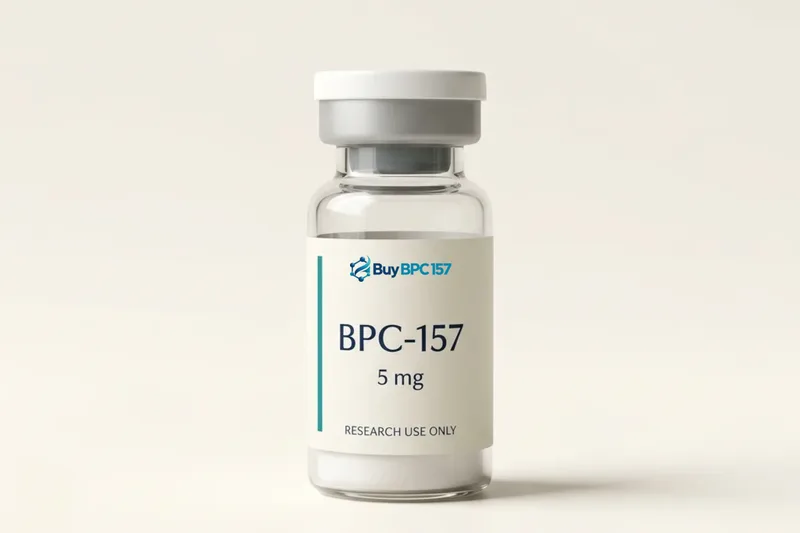
BPC-157 5mg Vial
Lyophilized powder · 5 mg
$38.50 Unverified illustrative price
COA required · ≥ 99% purity standard Proposed, unverified threshold
View product details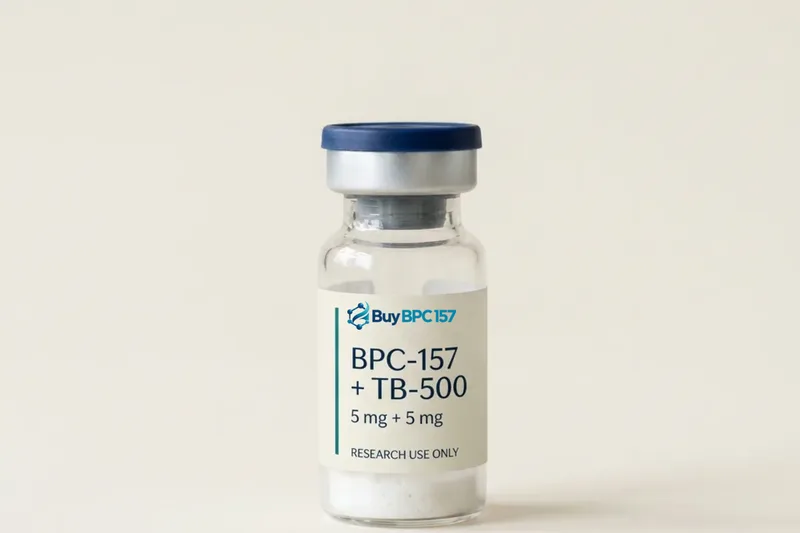
BPC-157 + TB-500 Blend
Lyophilized powder · 5 mg + 5 mg
$86.50 Unverified illustrative price
COA required · ≥ 99% purity standard Proposed, unverified threshold
View product details