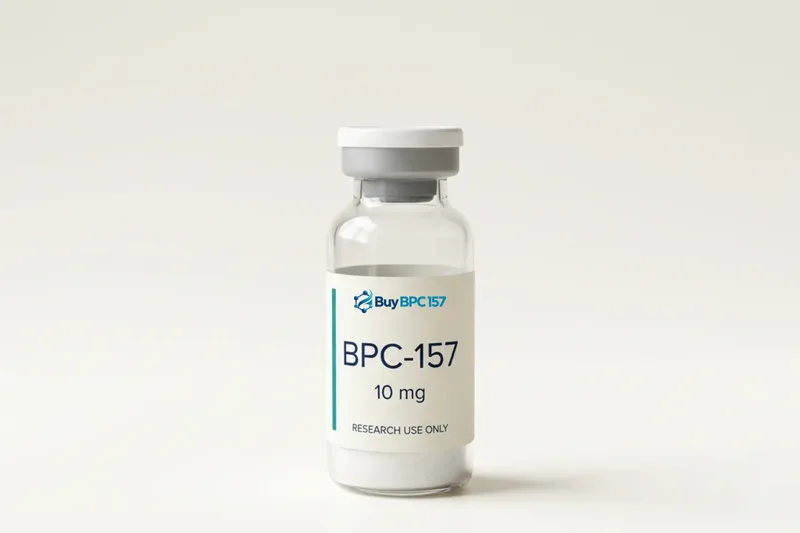
BPC-157 10mg Vial
Lyophilized powder · 10 mg
$64.50 Unverified illustrative price
COA required · ≥ 99% purity standard Proposed, unverified threshold
View product details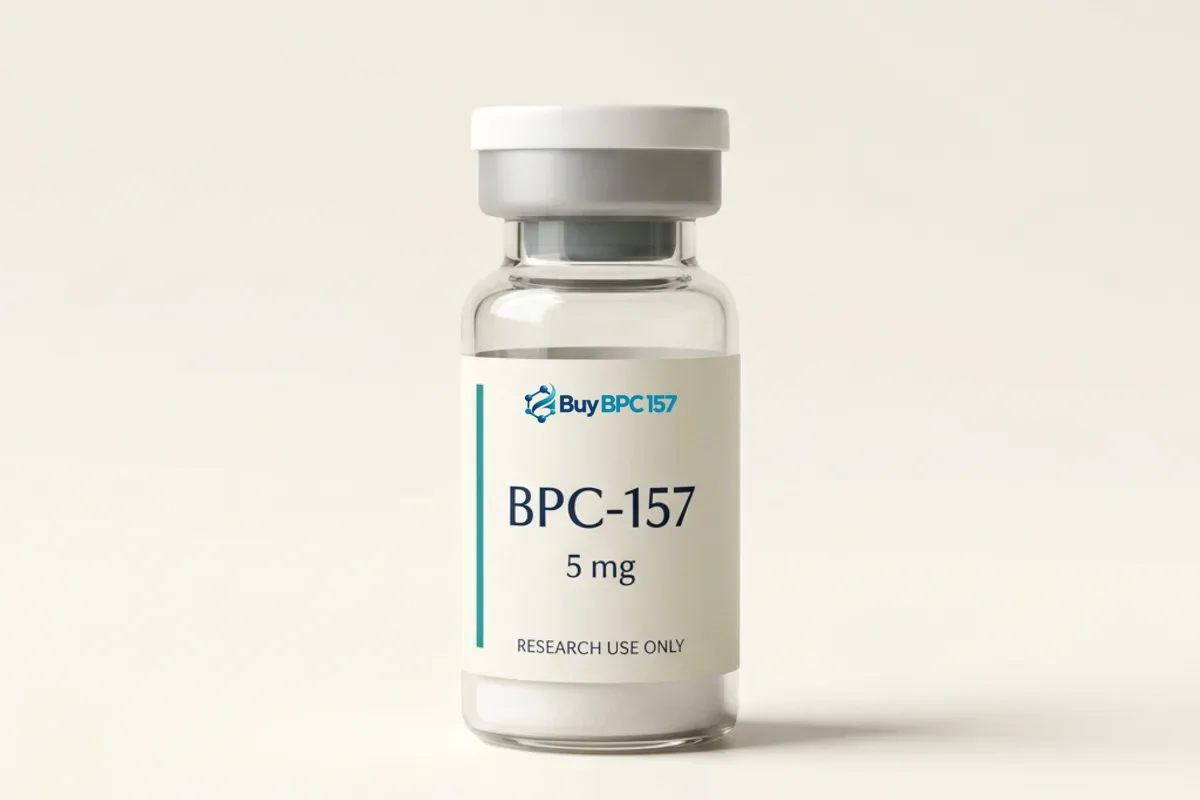
Lyophilized powder · 5 mg per vial
A compact reference format for laboratories evaluating BPC 157. Start with molecular identity, documented content and a batch-matched certificate—not a product photograph.
$38.50 Illustrative price only · Unverified · Not available for purchase
COA required · ≥ 99% purity standard Proposed standard, not a measured batch value
COA available on request · No batch certificate verified yet
01 / Material identity
| Peptide | BPC-157, a 15-amino-acid peptide fragment |
|---|---|
| Sequence | Gly-Glu-Pro-Pro-Pro-Gly-Lys-Pro-Ala-Asp-Asp-Ala-Gly-Leu-Val |
| Molecular formula | C62H98N16O22 |
| Molecular weight | Approximately 1419.5 g/mol; salt and water content require separate accounting |
| CAS | 137525-51-0 |
| Form | Lyophilized powder; acetate salt is typical, exact salt unverified |
| Nominal strength | 5 mg per vial; actual content requires batch verification |
| Purity standard | Proposed ≥ 99% by HPLC; unverified, not a certificate |
| Storage | Cold and protected from light, subject to material-specific documentation |
02 / Inside the container
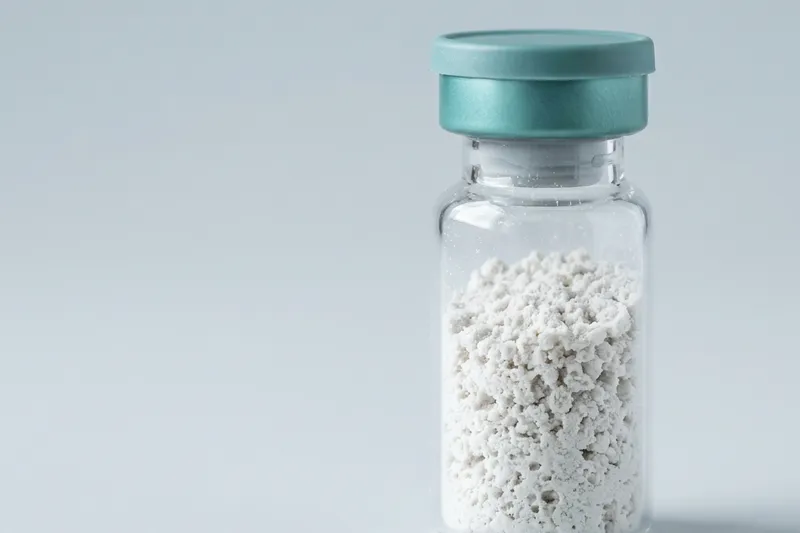
The listing describes a nominal 5 mg mass of lyophilized peptide. Lyophilization removes solvent under controlled conditions; the remaining cake can appear more substantial than its peptide content suggests. Cake height is not a reliable measure of mass. A clear vial also cannot establish chemical identity, water content or counterion composition.
No excipient profile is confirmed. Whether a batch contains only peptide and counterion, or includes a stabilizing excipient, must be established from the supplier’s documentation. Nothing pictured beside a vial should be assumed to accompany it. This catalog does not provide solvent, syringes or a validated laboratory protocol.
For laboratory calculations, the reconstitution calculator converts a specified mass and solvent volume to concentration. It does not determine the solvent a method requires. The preparation guide explains why a documented method and traceable measurements come before arithmetic.
03 / Documentation before selection
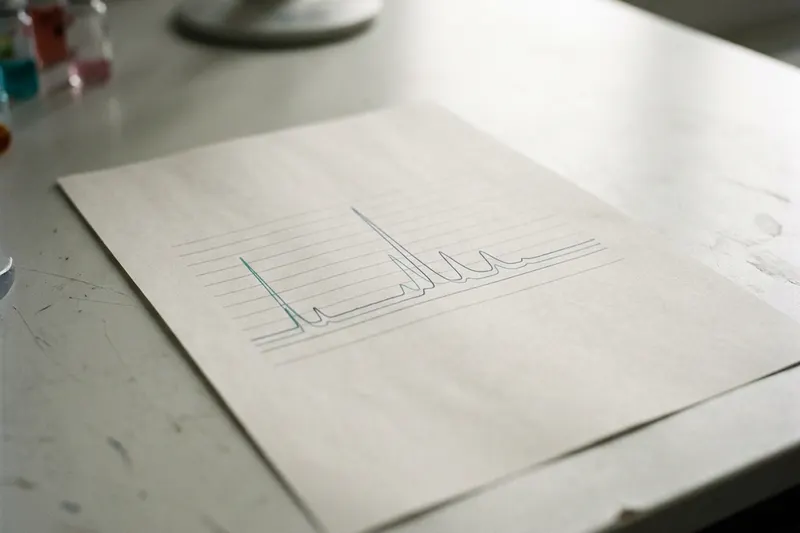
A useful certificate connects the tested sample to the physical vial. The batch number, analytical laboratory, dates, method and sample identity should be legible. An HPLC chromatogram supports an assessment of relative chromatographic purity; mass spectrometry provides a separate identity check. Neither replaces an assay of net peptide content.
“COA available on request” describes the documentation to request, not a claim that this site possesses a verified certificate. No batch is currently substantiated here. The proposed purity threshold remains a visible placeholder. A purchaser assessing research material would need the actual report, not this illustrative image or a generic certificate reused for multiple lots.
The quality requirements distinguish identity, purity and content. Endotoxin or sterility documentation, where relevant to an authorized laboratory method, must be assessed separately. An analytical purity percentage never establishes those properties.
04 / Laboratory handling
General laboratory guidance is to keep lyophilized material cold, protected from light and under conditions that limit moisture exposure. An unopened vial should remain associated with its lot record. Repeated temperature changes and unnecessary opening can complicate interpretation of stability, especially when small quantities are being compared across experiments.
After reconstitution, refrigerated handling and a limited use window are general considerations, not a shelf-life claim. The allowable solvent, container, temperature and duration must come from stability evidence for the actual preparation. No specific temperature or day count is asserted for this unverified listing. Institutions should follow their own approved procedures for storage, inventory and disposal.
Recording the nominal mass alone is insufficient. A material record also tracks solvent identity, volume, preparation time and any transfers. Those details help distinguish a concentration calculation from a measured concentration. Losses to surfaces, incomplete dissolution and analytical uncertainty are not modeled by a simple calculator.
05 / Read the literature carefully
BPC-157 is discussed in preclinical literature concerning gastrointestinal and connective-tissue models. These studies evaluate defined experimental preparations under particular laboratory conditions. A catalog vial is not automatically equivalent to the material used in a paper. Matching a name or nominal mass does not reproduce analytical characterization, study design or a validated method.
Sikirić and colleagues (2018) discuss the stable gastric pentadecapeptide research program and several proposed biological pathways. Chang and colleagues (2011) examine tendon fibroblasts in an experimental setting. Neither publication verifies this listing or supplies evidence for personal use. The research overview separates model-specific observations from unresolved questions.
The 5mg format is a nominal inventory unit, not a statement about an appropriate experimental amount. A laboratory selecting material would start with an approved question and method, then assess documented identity and content. BPC-157 is not FDA-approved for any use. Consult the regulatory guide and current primary sources before interpreting the status of any research material.
Lyophilized powder · 10 mg
$64.50 Unverified illustrative price
COA required · ≥ 99% purity standard Proposed, unverified threshold
View product details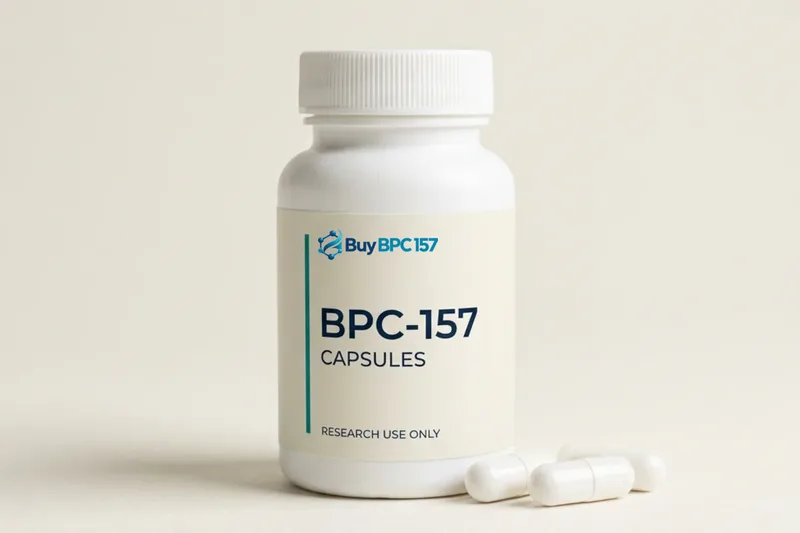
Capsules · 500 mcg × 60
$78.50 Unverified illustrative price
COA required · ≥ 99% purity standard Proposed, unverified threshold
View product details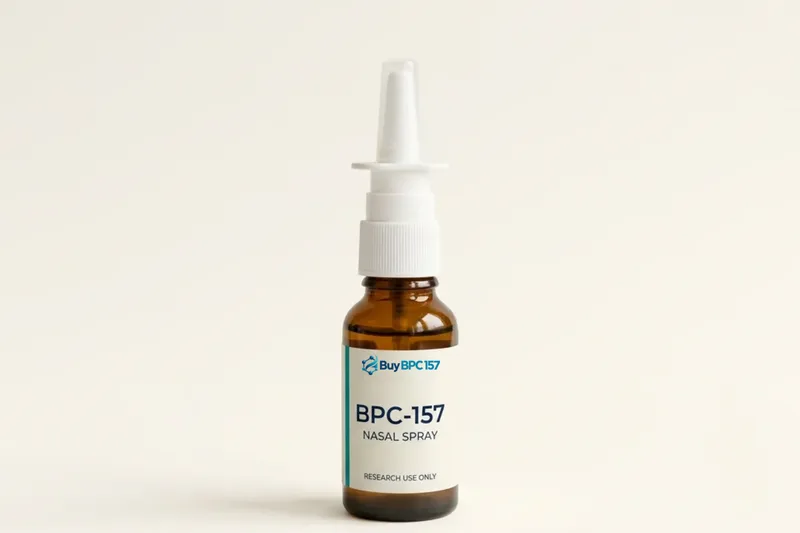
Metered spray · 10 mg / 10 mL
$56.50 Unverified illustrative price
COA required · ≥ 99% purity standard Proposed, unverified threshold
View product details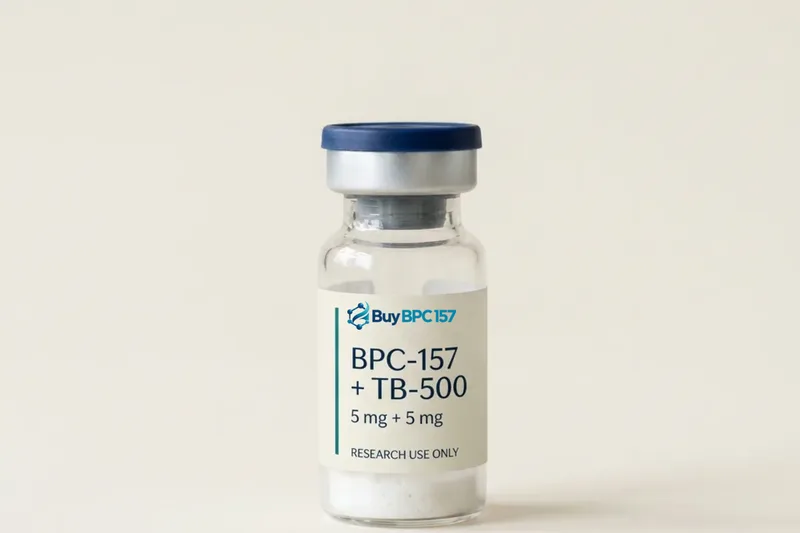
Lyophilized powder · 5 mg + 5 mg
$86.50 Unverified illustrative price
COA required · ≥ 99% purity standard Proposed, unverified threshold
View product detailsA closer look
Documentation comes first. These answers explain what the listing can—and cannot—establish.
It describes nominal peptide mass per vial, not concentration or an amount for human use. Actual peptide content depends on a batch-specific assay. Counterions, water and excipients can contribute to the total powder mass, so gross cake weight is not interchangeable with net peptide content.
No checkout is available. This is a catalog listing with unconfirmed availability and illustrative pricing.
No. Relative chromatographic purity describes a method-dependent analytical signal. Molecular identity needs separate supporting evidence such as mass spectrometry. A complete material file also addresses content, salt form and relevant impurities rather than treating one percentage as the whole specification.
No solvent or accessory is confirmed as included. Photography illustrates a format, not a packing list. A laboratory must select compatible materials under its own approved method; the calculator cannot establish solvent compatibility or validate preparation conditions.
A batch-specific certificate has not yet been verified for this listing. Request the complete document with a matching batch number, test dates and methods. An illustrative chromatogram on this page is not an actual analytical record and should never be used as one.
Divide total peptide mass in micrograms by solvent volume in milliliters. Five milligrams equals 5,000 micrograms. The calculated concentration assumes the stated content is accurate and dissolution is complete; it does not measure either assumption or recommend an experimental amount.
Cold, light-protected handling is general laboratory guidance. Exact conditions and shelf life require stability documentation for the batch and preparation. A generic cold-storage statement is not evidence for a particular duration, and no specific day count is established here.
The nominal peptide mass differs. Neither format establishes purity or a prepared concentration. The larger vial may change inventory accounting and preparation arithmetic, but suitability still depends on the method, actual content and documentation—not a number in the product name.
Keep the material file complete
No purchase is made here.
Research documentation
Compare batch identity, analytical methods and content documentation before evaluating a research format.
View quality standards