A third-party COA must identify the sample
We require a certificate that names the analytical laboratory, sample identifier, batch number, report date and methods. The report must be legible and complete enough to establish what was examined. A generic certificate image or an isolated percentage is not a material file.
Third-party documentation is useful only when its scope is clear. A report for bulk peptide may not characterize a finished capsule or filled spray bottle. The connection between the tested sample and the listed container must be documented rather than inferred from a shared product name.
Batch traceability connects paper to material
We require discrepancies to remain visible until resolved. A missing identifier is a documentation gap, not a detail to replace with an assumption.
We require consistent batch identifiers across the container and its supporting records. If the material passes through a formulation or filling stage, the records should explain that chain. A report from a different lot does not establish the current lot’s properties.
The buying and vetting guide expands this into a practical framework. Traceability does not replace analytical quality, but without it an otherwise detailed report may not answer a question about the physical material under consideration.
HPLC purity is method-dependent
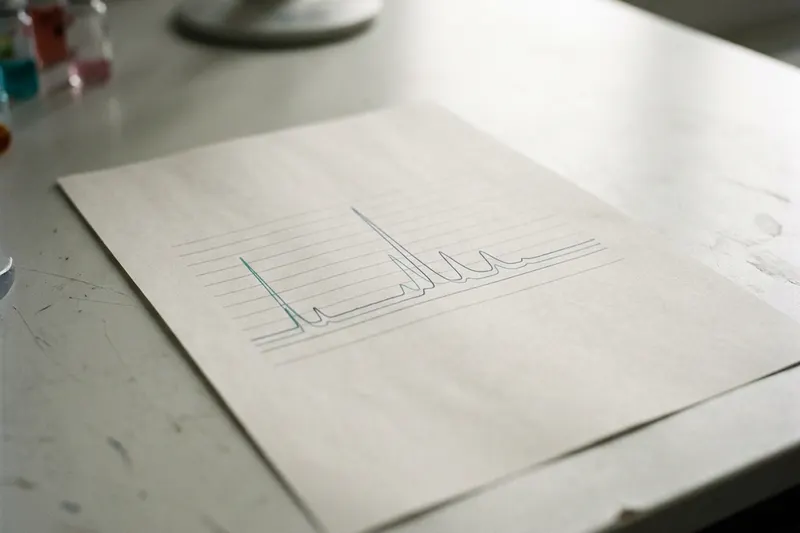
We require chromatographic information with an explained method and interpretation. The proposed ≥ 99% threshold remains unverified. A relative peak-area figure is not automatically the mass fraction of peptide in a powder and does not establish every impurity.
The report should make clear which signal is assigned to the target and how other signals were handled. For a blend, more than one intended peptide may be present, so a single unexplained percentage is especially inadequate.
Mass-spectrometric identity is a separate check
We require identity evidence appropriate to the intended peptide. A matching mass can support molecular identity, but its scope must not be overstated as full characterization of every component. Sequence, salt form and relevant impurities remain distinct questions.
The comparison guide explains why an unspecified TB-500 fragment cannot borrow the identity of full-length thymosin beta-4. A mixture needs evidence for each intended component, not merely a label containing both names.
Net content must not be inferred from cake size
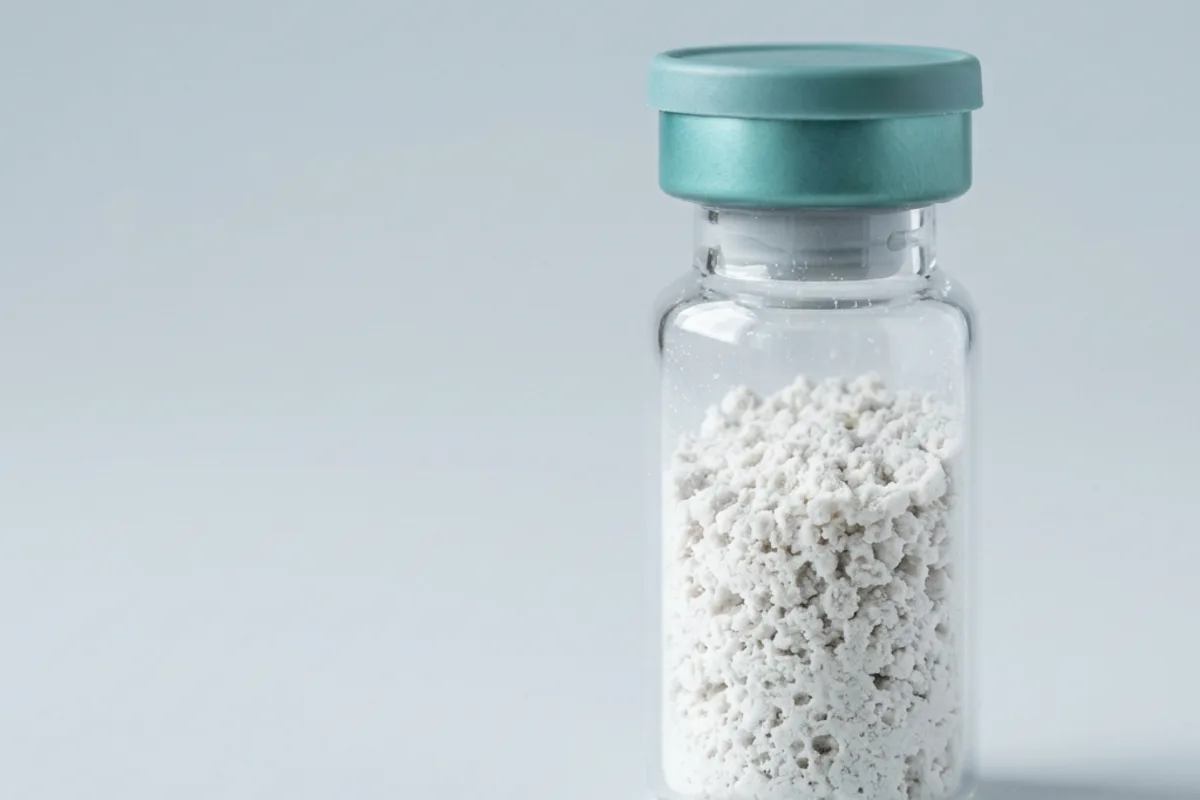
We require clarity about whether a content value is nominal fill mass or a measured peptide amount. Residual water, counterions and excipients can contribute to gross powder mass. A large-looking cake is not evidence of a larger peptide quantity.
Capsules need formulation-aware content assessment and appropriate unit consistency evidence. Liquids need a defined concentration and volume basis. The calculator assumes its inputs; it cannot supply missing analytical content.
Microbiological properties need relevant evidence
Where an authorized laboratory method requires endotoxin or sterility documentation, we require evidence specific to those properties. Chemical purity does not establish either one. No blanket microbiological claim is made for this catalog.
The analytical scope should identify the actual preparation tested. A result for an ingredient cannot automatically characterize a later liquid or a repeatedly accessed container. Method-specific requirements belong to the laboratory’s approved process.
Lyophilization and packaging need clear descriptions
We require the physical form, exact formulation and labeling to be documented. Lyophilized material should be described without implying that visual cake quality proves chemical quality. Containers should carry a batch identifier and a research-use statement.
Packaging information must distinguish a proposed presentation from verified material. Illustrative photography on this site is not a claim about a real shipment, cold-chain record or included accessory. No shipping duration is promised.
Storage claims need a stability basis
We require storage statements to match the actual material and preparation. Cold, light-protected handling is general laboratory guidance for lyophilized peptide. A specific temperature or expiry requires relevant stability evidence, especially after solvent is added.
The preparation guide explains why dry material and prepared solution need separate records. The catalog keeps unverified specifications visible. Neither a proposed standard nor an attractive illustration closes those documentation gaps.