BPC-157 5mg Vial
Lyophilized powder · 5 mg
$38.50 Unverified illustrative price
COA required · ≥ 99% purity standard Proposed, unverified threshold
View product details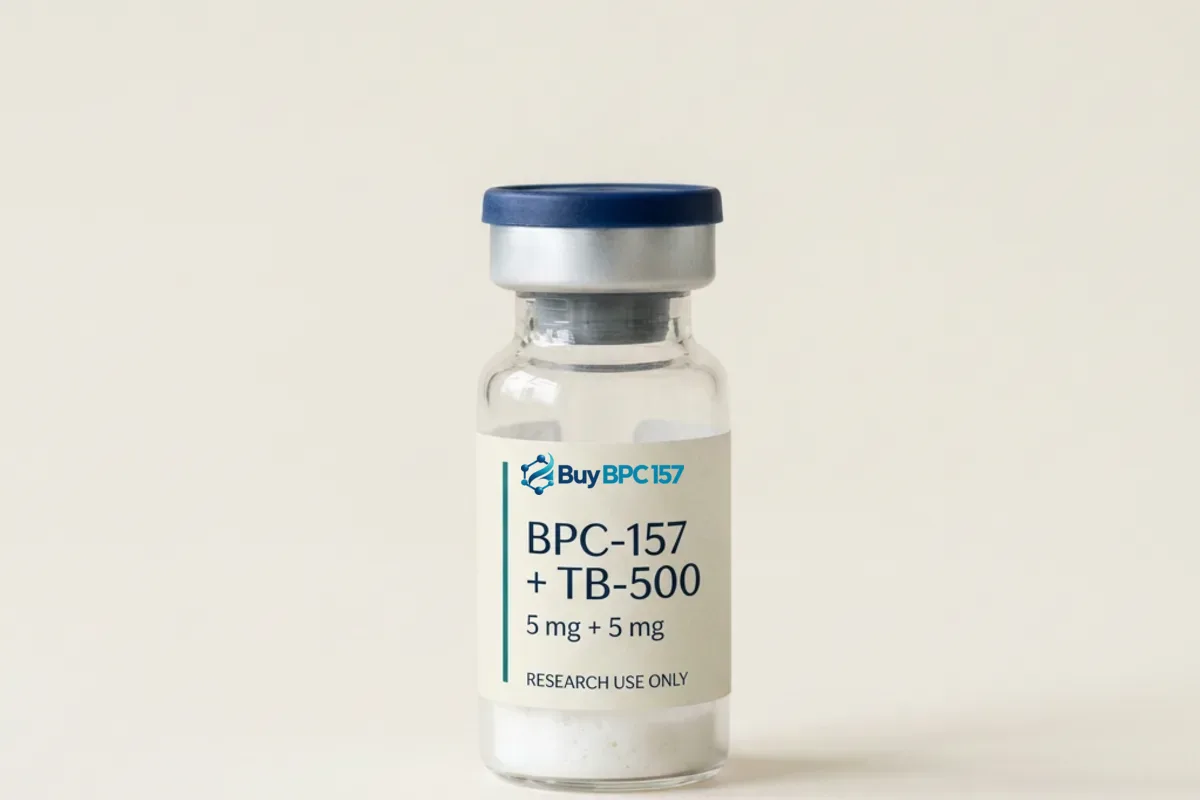
Lyophilized powder · 5 mg BPC-157 + 5 mg TB-500
One container, two separate identity questions. A blend needs component-specific content and impurity data—not a single unexplained purity number.
$86.50 Unverified illustrative price · No checkout
COA required · ≥ 99% purity standard Proposed standard; component values and ratio unverified
COA available on request · No blend batch verified
01 / Characterize both components
| Peptides | BPC-157 and TB-500, a synthetic thymosin beta-4 fragment |
|---|---|
| BPC-157 sequence | Gly-Glu-Pro-Pro-Pro-Gly-Lys-Pro-Ala-Asp-Asp-Ala-Gly-Leu-Val |
| BPC-157 formula | C62H98N16O22 |
| BPC-157 molecular weight | Approximately 1419.5 g/mol |
| BPC-157 CAS | 137525-51-0 |
| TB-500 identity | Thymosin beta-4 fragment; exact fragment, sequence, formula and mass require verification, not inferred from full-length thymosin beta-4 |
| Form and strength | Lyophilized powder; nominal 5 mg of each component, unverified |
| Purity standard | Proposed ≥ 99% standard; method and component-specific interpretation pending |
| Storage | Cold, protected from light; blend-specific stability information required |
02 / A mixture is its own material
The proposed listing contains two nominal masses, not one fully characterized substance. Five milligrams of BPC-157 plus five milligrams of TB-500 is an unverified label concept. It must not be read as a measured ratio or proof that both components remain chemically unchanged after formulation.
Exact TB-500 fragment identity and any excipients are not confirmed. It would be misleading to substitute the full-length thymosin beta-4 sequence for an unspecified fragment. Each component needs an explicit identity record, and the finished mixture needs a method that can distinguish them.
The calculator can illustrate total mass divided by volume, but it cannot resolve a mixture. Component-specific concentrations require verified component masses and ratio. The comparison guide explains why naming two research compounds together does not establish an interaction between them.
03 / One number is not enough
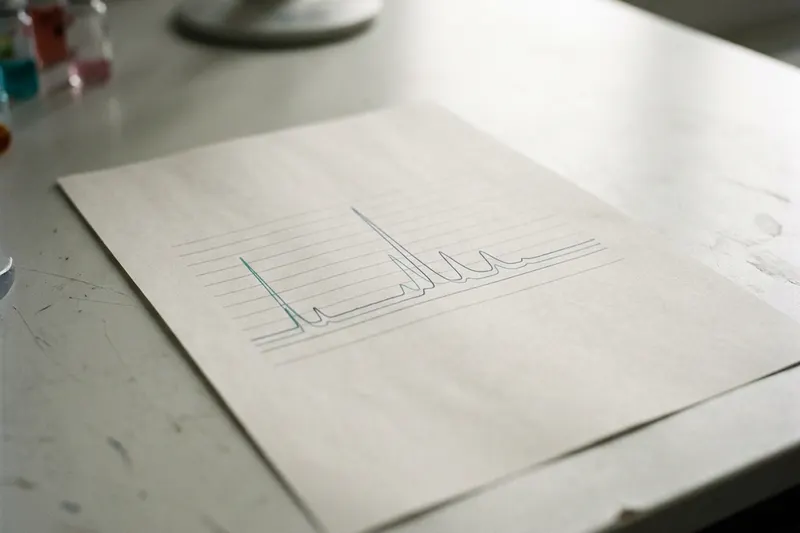
A blend report needs to explain what “purity” means for a sample containing two intended peptides. A second peak may represent an intended component rather than an impurity. Conversely, simply adding two peak areas does not prove their identities or establish the mass of either peptide in the vial.
The material file should connect identity data for both components, quantitative content measurements and the stated formulation ratio. Method resolution matters: overlapping signals can obscure a component or impurity. The proposed threshold here remains unverified and cannot substitute for that analytical explanation.
At quality standards, the distinction between identity, content and relative purity is explicit. No actual blend certificate is verified on this site. The document image is illustrative, and no claim is made that this site conducts testing or operates a laboratory.
04 / Evidence for the mixture
Stability information for isolated BPC-157 or an isolated thymosin fragment does not automatically establish stability of a combined preparation. The mixture may require its own evaluation in both dry and reconstituted form. Container contact, solvent and concentration can introduce additional variables.
Cold, light-protected handling is general guidance for lyophilized laboratory material. Refrigeration and a limited working window after reconstitution are considerations, not a verified blend expiry. No specific temperature or duration is asserted. An institution should use its own approved procedure together with actual mixture-specific documentation.
Laboratory records should preserve component identifiers as well as the final blend identifier. If a comparison includes single-component controls, their characterization and preparation histories matter. A shared product name does not ensure those materials are comparable, and a nominal combined mass is not a complete experimental record.
05 / Comparison before combination
BPC-157 and thymosin beta-4-related material are discussed in different bodies of experimental literature. Researchers may compare them because the questions overlap at a broad biological level, but overlap is not evidence of synergy. A meaningful combined-material experiment requires defined identities, controls and a design that can separate individual effects from interactions.
Chang et al. (2011) examined BPC-157 in rat tendon and fibroblast preparations. That publication did not validate this two-component vial. Full-length thymosin beta-4 findings also cannot be assigned automatically to a commercial TB-500 fragment. The BPC-157 versus TB-500 guide keeps those names distinct.
The WADA Prohibited List identifies BPC-157 under S0 and TB-500 under S2, prohibited at all times. This is a separate issue from research-material characterization. BPC-157 is not FDA-approved for any use; regulatory context must not be inferred from a blend label or online availability.
Lyophilized powder · 5 mg
$38.50 Unverified illustrative price
COA required · ≥ 99% purity standard Proposed, unverified threshold
View product details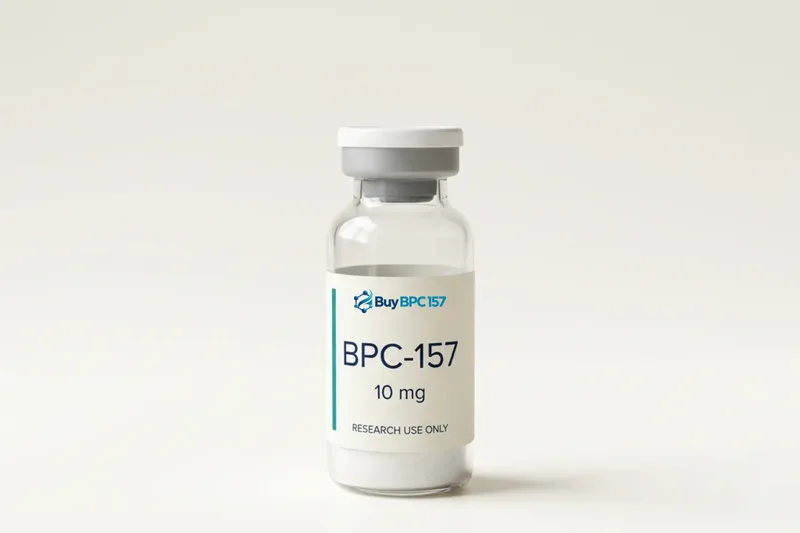
Lyophilized powder · 10 mg
$64.50 Unverified illustrative price
COA required · ≥ 99% purity standard Proposed, unverified threshold
View product details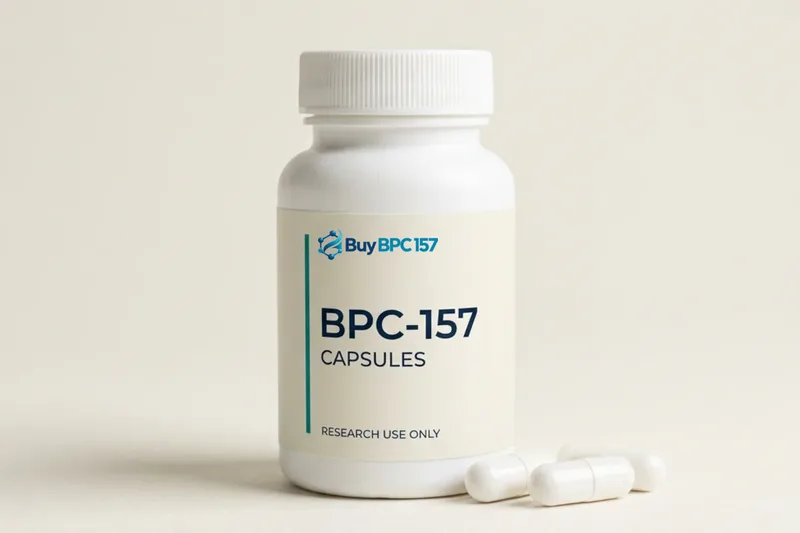
Capsules · 500 mcg × 60
$78.50 Unverified illustrative price
COA required · ≥ 99% purity standard Proposed, unverified threshold
View product details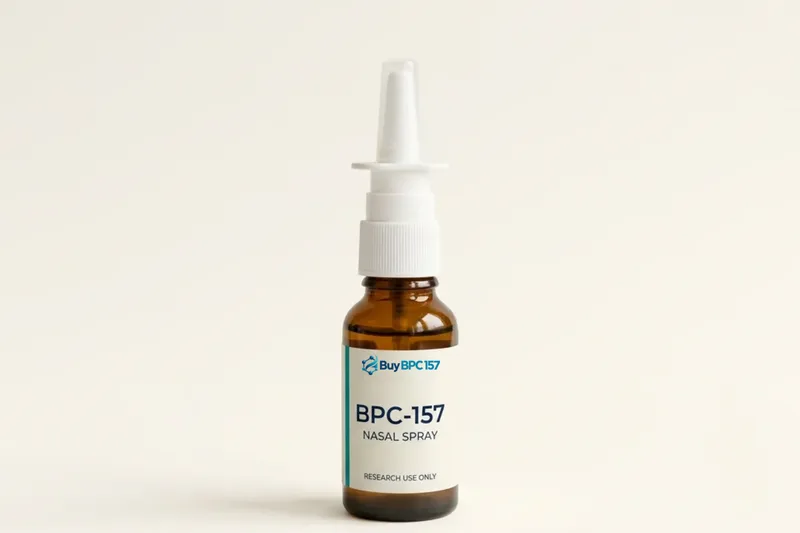
Metered spray · 10 mg / 10 mL
$56.50 Unverified illustrative price
COA required · ≥ 99% purity standard Proposed, unverified threshold
View product detailsTwo names on a label do not remove the need for component-specific evidence.
No. Five milligrams of each component is an unverified placeholder. A nominal mass ratio is not an assay. Separate quantitative evidence is needed to establish the actual amount of each peptide and the ratio in a finished vial.
This listing describes TB-500 as a synthetic thymosin beta-4 fragment, not the full-length molecule. Exact fragment identity is not verified. It would be inappropriate to copy a full-length sequence, molecular mass or study conclusion into that missing specification.
Not without a clear method and interpretation. Two intended peptides may produce separate peaks, and their areas do not necessarily equal their mass ratio. The certificate must identify the components and explain how impurities and content were assessed.
No. A blend is a physical format, not evidence of an interaction. Claims about combined behavior require an appropriate experimental design with single-component controls and characterized material. Neither a product name nor separate papers establish that evidence.
No. It performs arithmetic on the entered total mass and solvent volume. Component concentrations require verified individual content. Treating an assumed ratio as measured data would give precise-looking numbers without a reliable analytical foundation.
That is not established. A mixture needs relevant stability evidence, especially after preparation. General cold and light-protected guidance is not a validated expiry or proof that both components remain unchanged under the same conditions.
WADA lists BPC-157 in S0 and TB-500 in S2 as prohibited at all times. Sporting rules are separate from catalog availability or laboratory labeling. Individuals subject to a sports code should consult the applicable governing authority directly.
A future documented listing would need confirmed component identities, ratio and content before an availability notice could be meaningful.
Research documentation
Compare batch identity, analytical methods and content documentation before evaluating a research format.
View quality standards