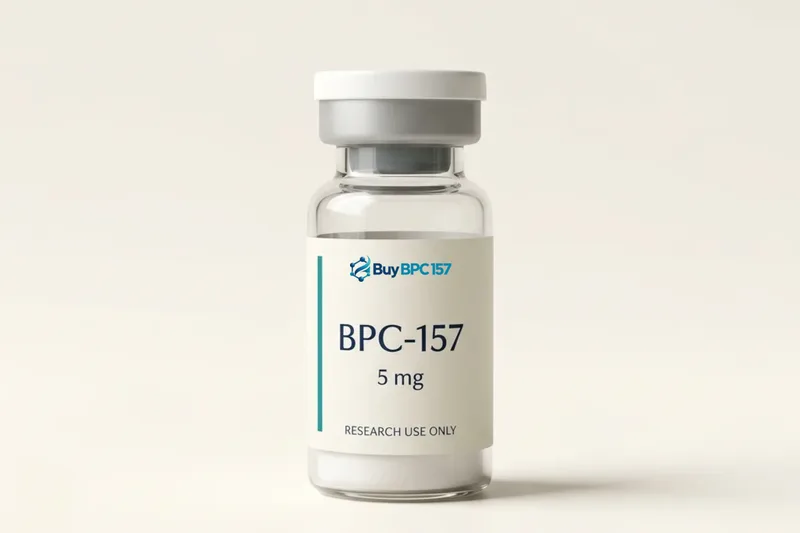
BPC-157 5mg Vial
Lyophilized powder · 5 mg
$38.50 Unverified illustrative price
COA required · ≥ 99% purity standard Proposed, unverified threshold
View product details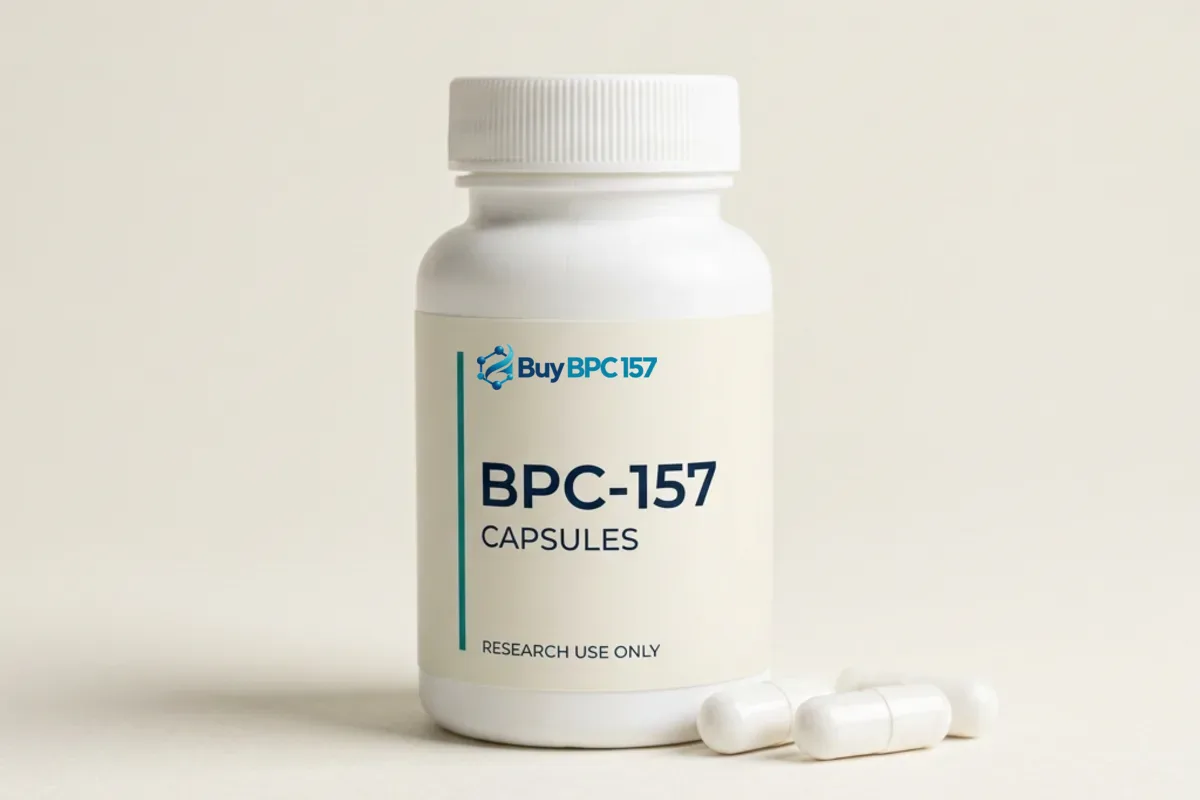
Bottle · 500 mcg × 60 capsules
A research-catalog format that puts formulation documentation in focus. Shell composition, excipients and content uniformity matter as much as the peptide name.
$78.50 Unverified illustrative price · No sales on this site
COA required · ≥ 99% purity standard Proposed raw-material standard, not verified finished-capsule purity
COA available on request · Finished-format documentation pending
01 / Formulation matters
| Peptide | BPC-157, a 15-amino-acid peptide fragment |
|---|---|
| Sequence | Gly-Glu-Pro-Pro-Pro-Gly-Lys-Pro-Ala-Asp-Asp-Ala-Gly-Leu-Val |
| Formula | C62H98N16O22, peptide only |
| Molecular weight | Approximately 1419.5 g/mol, excluding capsule materials |
| CAS | 137525-51-0 |
| Form | Capsules in bottle; shell and excipient composition unverified |
| Nominal content | 500 mcg per capsule × 60; unverified placeholders |
| Purity standard | Proposed ≥ 99% HPLC for peptide raw material; unverified |
| Storage | Protect from light and moisture; formulation-specific conditions required |
02 / More than a peptide name
The nominal count and microgram content describe a proposed listing, not a verified finished product. A capsule is a multicomponent preparation. The shell, fill materials, peptide identity and amount per unit each require documentation. A raw-peptide certificate alone cannot establish whether every capsule contains the stated quantity.
No shell material or excipient list is confirmed. Laboratories evaluating this format would need a complete formulation statement and evidence that the analytical method can distinguish peptide from the surrounding matrix. An extraction method suitable for powder may not perform identically in a capsule fill.
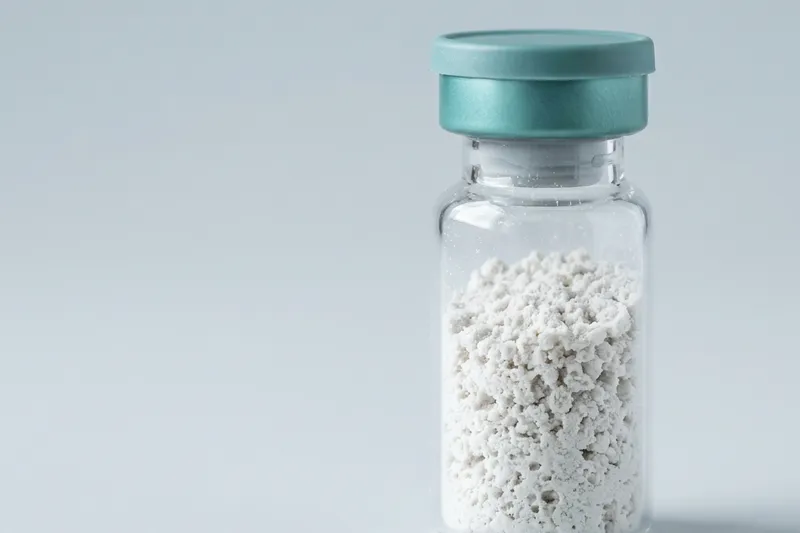
The image of lyophilized material explains one possible starting form; it is not a photograph of the actual capsule contents. Capsules are not presented here as an alternative personal-use route. The buying and vetting guide gives documentation questions for finished formats, while the catalog makes the physical differences visible.
03 / Follow the sample
A capsule material file should distinguish a peptide raw-material certificate from finished-format testing. The former may support identity and chromatographic purity of an ingredient. It does not automatically characterize the shell, excipients, amount per capsule or variation among units in the bottle.
Batch traceability needs to connect the ingredient, manufacturing record and final container. A method used to assess capsule content should state the sample preparation and analytical scope. The proposed purity threshold displayed here is unverified and should not be read as a measured percentage of the entire capsule.
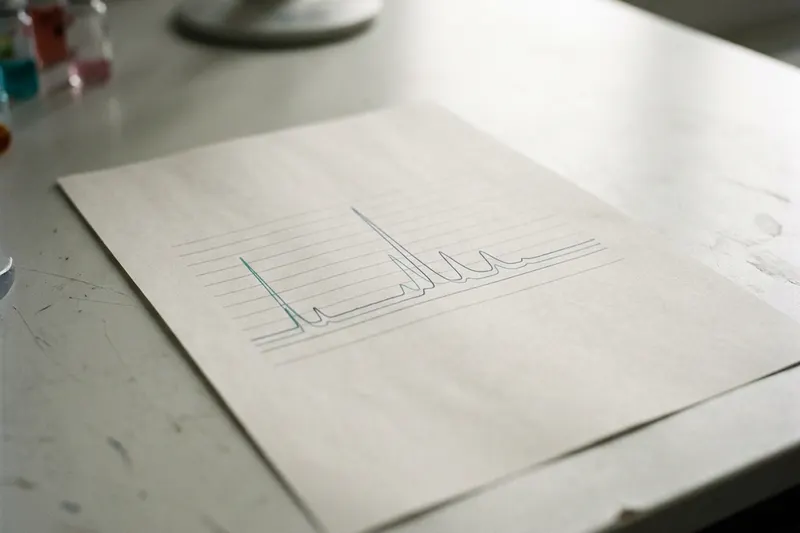
Our quality standard prioritizes clarity about what was tested. No certificate is currently verified for this listing. A generic chromatogram is insufficient evidence for a complex finished format, especially when its excipient composition is not established.
04 / Protect the formulation
Capsule storage cannot simply inherit a lyophilized-vial storage statement. Shell materials may respond differently to humidity and temperature changes, and the formulation can introduce separate stability questions. The bottle should remain linked to its batch documentation, with handling based on the confirmed composition.
General laboratory considerations include protection from light and moisture and avoiding unrecorded transfers. A cold-storage decision must account for condensation and container integrity rather than assuming colder is always appropriate for a finished capsule. No precise temperature, shelf life or opening window has been verified here.
If a laboratory extracts peptide from a capsule for an authorized analytical method, the extraction is a separate preparation with its own stability and measurement uncertainties. The mass-and-volume tool cannot account for extraction efficiency, matrix effects or unverified content. It should not be used as evidence that a preparation contains the calculated amount.
05 / Route is part of the experiment
Oral-route investigations discussed in BPC-157 literature must be interpreted as studies of particular experimental preparations. An oral formulation is not interchangeable with a capsule listing whose shell, excipients and content remain unknown. Stability in one setting cannot establish absorption, distribution or efficacy in another.
The preclinical literature includes multiple administration routes, with a substantial portion involving injectable experimental preparations. Sikirić et al. (2018) discuss the gastric pentadecapeptide research program. Specific route claims should be checked against each primary paper, not generalized from the peptide name or the phrase “oral BPC-157.” The research guide describes those distinctions.
Chang et al. (2011) examined rat tendon and cultured fibroblast preparations, not this capsule product. Such work does not substantiate this format. Human evidence remains limited, and BPC-157 is not FDA-approved for any use. The regulatory overview is a separate consideration from experimental route selection.
Lyophilized powder · 5 mg
$38.50 Unverified illustrative price
COA required · ≥ 99% purity standard Proposed, unverified threshold
View product details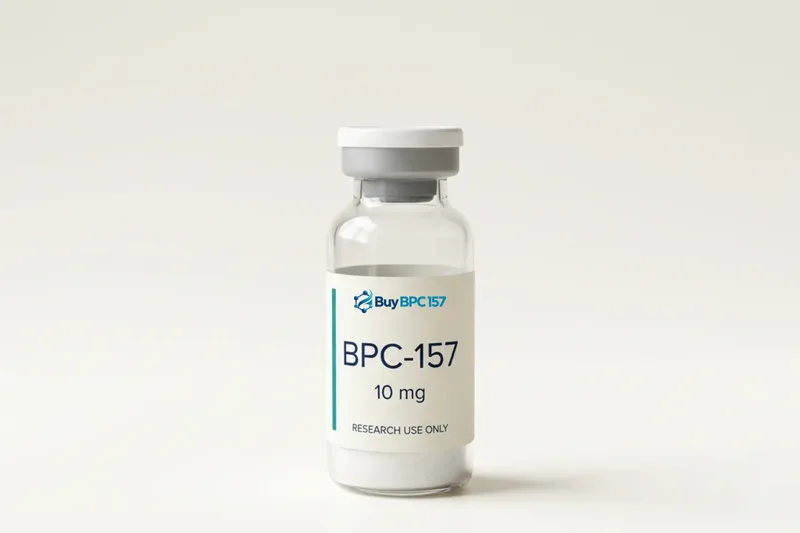
Lyophilized powder · 10 mg
$64.50 Unverified illustrative price
COA required · ≥ 99% purity standard Proposed, unverified threshold
View product details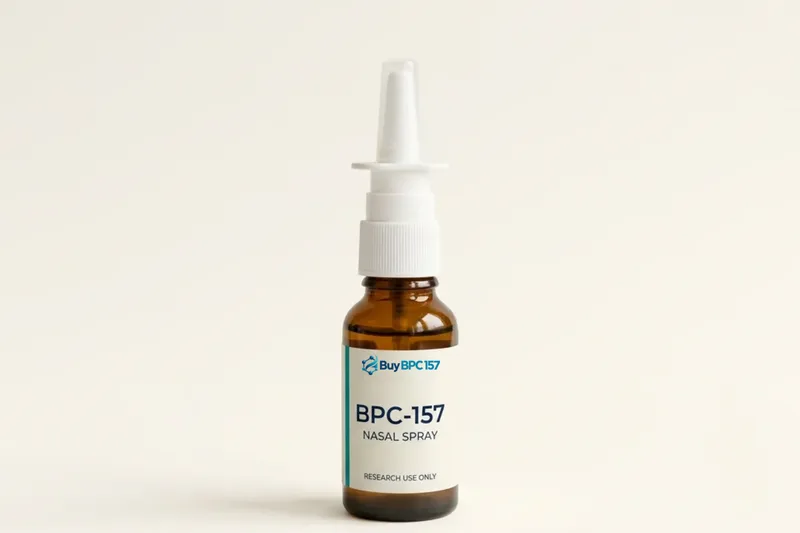
Metered spray · 10 mg / 10 mL
$56.50 Unverified illustrative price
COA required · ≥ 99% purity standard Proposed, unverified threshold
View product details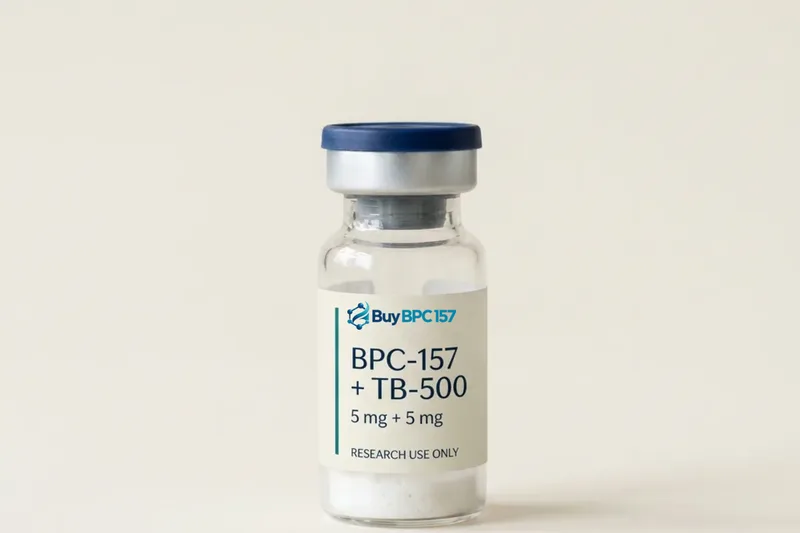
Lyophilized powder · 5 mg + 5 mg
$86.50 Unverified illustrative price
COA required · ≥ 99% purity standard Proposed, unverified threshold
View product detailsQuestions about formulation need formulation-specific evidence.
No. Sixty capsules and 500 micrograms per capsule are visible, unverified placeholders. They exist to make the proposed listing understandable, not to establish a specification. Final count and content would need confirmation from the material documentation.
Neither is confirmed. Shell composition is part of the unverified formulation record. It should not be inferred from color, photography or assumptions about common capsule materials. A complete composition statement is needed before evaluating compatibility with an analytical method.
No. A capsule may contain non-peptide components by design. Raw-material chromatographic purity describes an ingredient under a method, not the mass fraction of the finished capsule. Content and uniformity require their own supporting evidence.
No. It identifies the physical format and a research topic. It does not demonstrate absorption or efficacy, and it is not a personal-use instruction. Published route-specific work must be assessed on its own experimental design and material characterization.
The excipient profile is not established. A laboratory should request a complete list rather than assume an absence of fillers. Analytical extraction and detection can be affected by formulation materials, making those details relevant to a material evaluation.
The arithmetic of mass divided by volume is universal, but an unknown extraction yield is not a known mass. A vial calculator cannot measure capsule content or compensate for matrix effects. It is not a capsule preparation method.
Use formulation-specific documentation and approved laboratory procedures. Protection from moisture and light is a general consideration, but no exact temperature or shelf life is verified. Capsule-shell behavior can differ from the behavior of lyophilized material in a sealed vial.
Future updates should identify verified content and formulation before any availability notice. Catalog presence is not confirmation that a finished batch exists or meets the proposed standard.
Research documentation
Compare batch identity, analytical methods and content documentation before evaluating a research format.
View quality standards