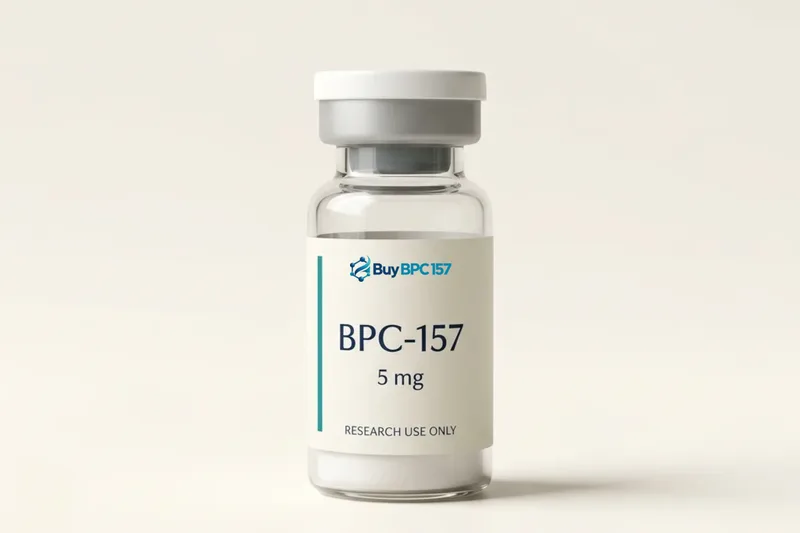
BPC-157 5mg Vial
Lyophilized powder · 5 mg
$38.50 Unverified illustrative price
COA required · ≥ 99% purity standard Proposed, unverified threshold
View product details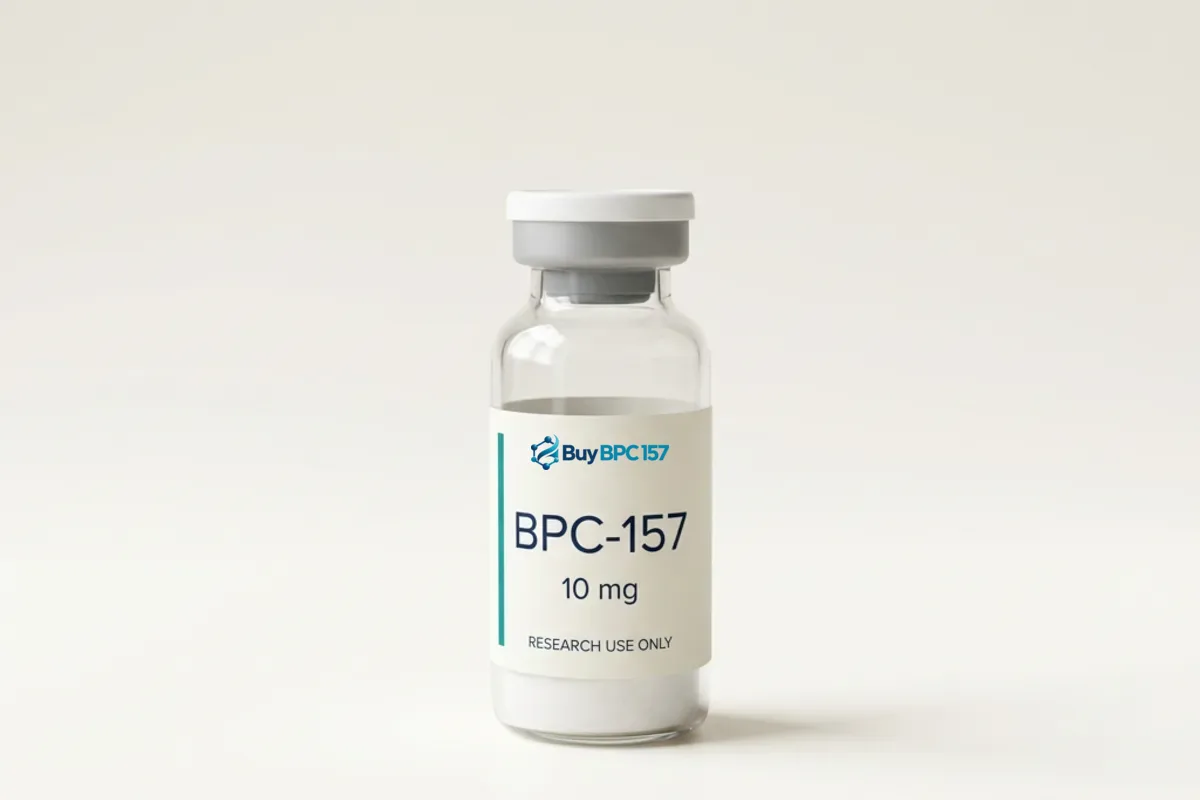
Lyophilized powder · 10 mg per vial
More nominal peptide in one container. The analytical questions stay the same: what is present, how much is present, and which records connect it to the vial?
$64.50 Unverified illustrative price · No purchase available
COA required · ≥ 99% purity standard Proposed threshold only; batch purity unverified
COA available on request · Actual batch documentation pending
01 / The material record
| Peptide | BPC-157, 15 amino acids |
|---|---|
| Sequence | Gly-Glu-Pro-Pro-Pro-Gly-Lys-Pro-Ala-Asp-Asp-Ala-Gly-Leu-Val |
| Formula | C62H98N16O22 |
| Molecular weight | Approximately 1419.5 g/mol for the peptide; counterion accounting is separate |
| CAS | 137525-51-0 |
| Form | Lyophilized powder; exact salt and excipients not confirmed |
| Strength | Nominal 10 mg per vial; unverified actual content |
| Purity standard | Proposed ≥ 99% HPLC standard; not a batch measurement |
| Storage | Cold, light-protected storage, with specific conditions from the material file |
02 / Mass is not concentration
The 10mg listing describes nominal peptide content before any solvent is added. It does not identify a prepared concentration. Two laboratories starting with the same stated mass can create different concentrations by using different measured volumes, and those calculations remain only as reliable as the underlying content information.
A lyophilized cake contains whatever remained after the preparation was freeze-dried. Its appearance cannot separate peptide from residual water, counterions or excipients. A larger visible cake is not proof of more BPC-157. The relevant evidence is a documented net-content assay tied to the batch.
For planning arithmetic, the calculator accepts a 10 mg input and a laboratory-specified solvent volume. It deliberately does not choose a target amount. The reconstitution article explains units, measurement records and the limits of nominal calculations.
03 / Read beyond one percentage
Higher nominal content does not create a different standard of evidence. The required certificate still needs a traceable sample identifier, report date, analytical method and identity evidence. A purity statement copied from a raw-material report does not by itself characterize the finished vial or establish how much peptide it contains.
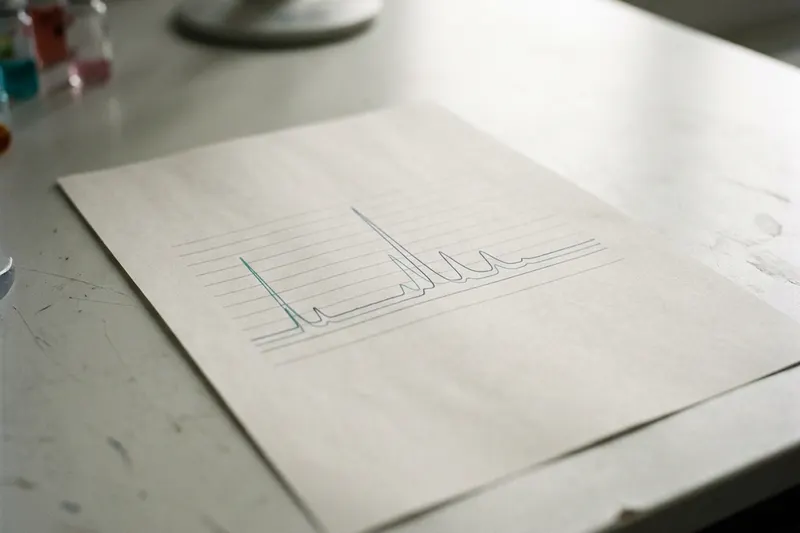
HPLC area percentage and net peptide content answer different questions. A sample can have one dominant chromatographic peak while containing a substantial non-peptide fraction that the method does not detect in the same way. Mass spectrometry can support the expected molecular identity, but a matching mass alone is not a full impurity profile.
Our quality page describes proposed listing requirements. No report is currently verified for this item, and the illustrative price and threshold are not a certificate. Where a method requires microbiological properties, supporting records must address those properties explicitly.
04 / Inventory and stability
Keeping more nominal material in one vial changes the inventory record, not the evidence for stability. General guidance is cold, light-protected handling of lyophilized peptide with unnecessary moisture exposure minimized. Any institution evaluating a vial should retain its label and associate every transfer with the original batch.
Once material is reconstituted, storage depends on the actual solvent, concentration and container as well as the peptide. Refrigeration and a limited working window are general considerations, not a validated expiry. This page asserts no temperature or duration. Batch-specific stability information and an institution’s approved method take precedence over general internet guidance.
Repeated opening may introduce additional handling variables. A laboratory record can distinguish original material, prepared solution and transferred portions by separate identifiers. That distinction matters when comparing measurements over time; a nominal 10 mg label is not a record of subsequent preparation history.
05 / Experimental context
Gastrointestinal and tendon-related models appear in the BPC-157 literature, but the models do not establish a general use for a commercial format. Researchers must distinguish a chemical name from a fully characterized experimental material. The amount printed on this vial does not connect it to any particular published preparation.
Chang et al. (2011) examined cultured rat Achilles tendon and tendon fibroblast preparations. That experimental system cannot establish human efficacy or a suitable amount for another setting. The paper is a source for its own methods and observations, not a validation of this catalog. Sikirić et al. (2018) place gastric pentadecapeptide investigations in a broader preclinical context.
Limited human evidence should not be described as established efficacy. BPC-157 is not FDA-approved for any use, and the legal-status guide explains why regulatory categories must be read carefully. For background rather than format selection, start with what BPC-157 is.
Lyophilized powder · 5 mg
$38.50 Unverified illustrative price
COA required · ≥ 99% purity standard Proposed, unverified threshold
View product details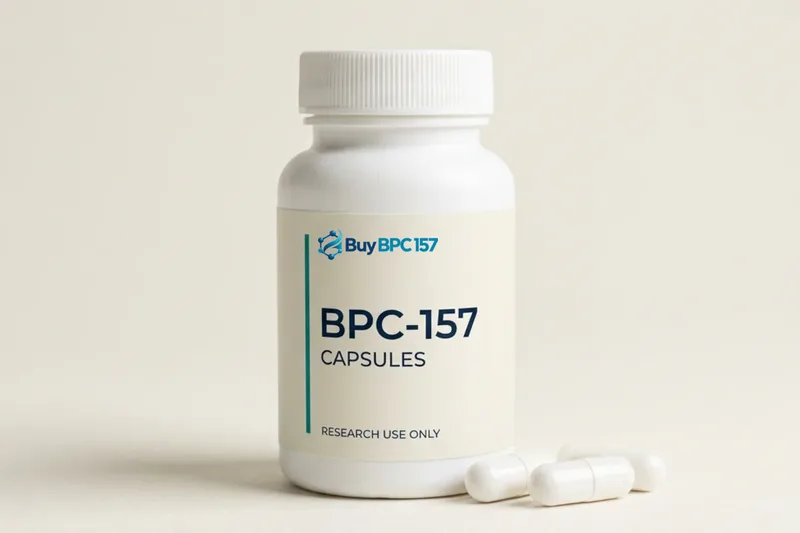
Capsules · 500 mcg × 60
$78.50 Unverified illustrative price
COA required · ≥ 99% purity standard Proposed, unverified threshold
View product details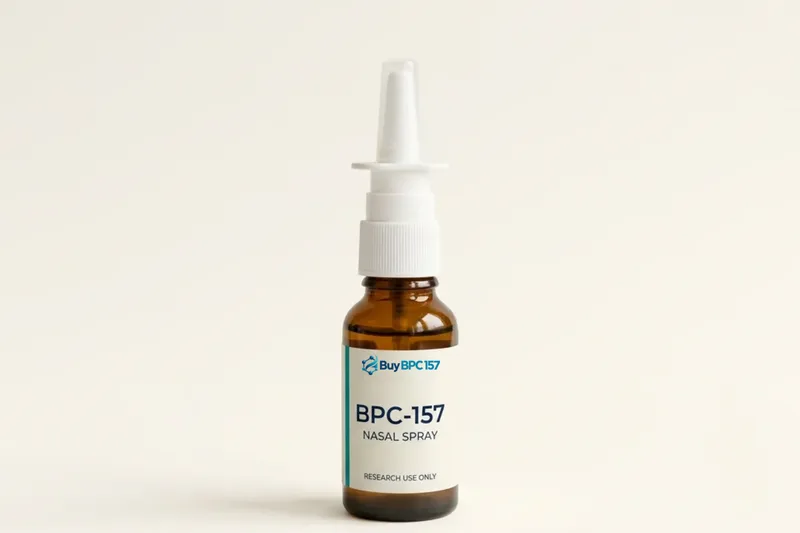
Metered spray · 10 mg / 10 mL
$56.50 Unverified illustrative price
COA required · ≥ 99% purity standard Proposed, unverified threshold
View product details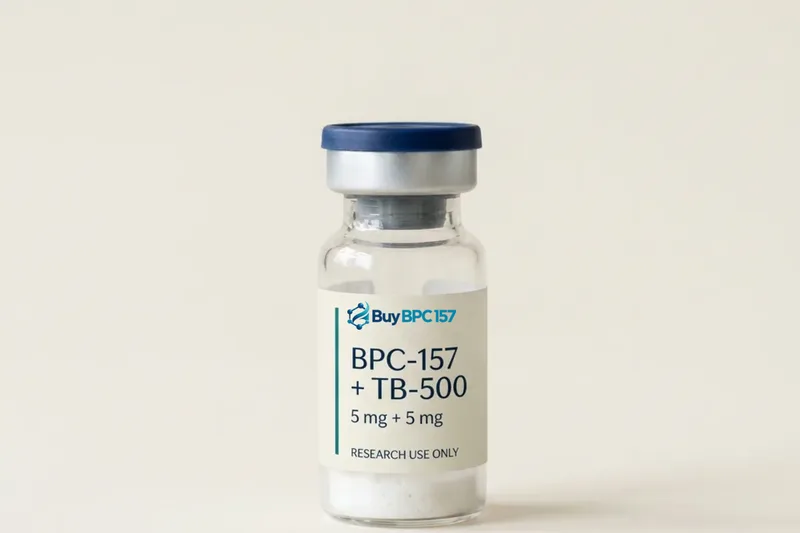
Lyophilized powder · 5 mg + 5 mg
$86.50 Unverified illustrative price
COA required · ≥ 99% purity standard Proposed, unverified threshold
View product detailsA larger nominal mass calls for the same careful reading of documentation.
No. It means twice the nominal mass of a 5mg listing. Concentration depends on the final solvent volume. Content accuracy, dissolution and transfers also affect the actual preparation, none of which are measured by the product name.
HPLC purity is commonly a relative area measurement under a specified method. Content quantifies peptide in the container. Water, counterions and method limitations prevent those values from being treated as interchangeable descriptions of the vial.
The listed BPC-157 sequence is the same 15-amino-acid sequence. A different nominal mass does not change it. Exact salt form, identity and impurities still require an analytical record for the actual batch rather than an assumption from the name.
Only if its scope and traceability support that conclusion. A raw-material certificate may not demonstrate final-vial content. An evaluator should establish which physical material was sampled and whether the report connects to the labeled finished container.
No. Solvent, measuring devices and containers shown in illustrations are not an included kit. This listing is not a preparation protocol. Institutions determine appropriate equipment and solvent compatibility through their approved laboratory procedures.
No. It converts mass and volume into concentration and related arithmetic. Its target field must come from an independently established research method. It does not select a method, validate the inputs or recommend any personal use.
No validated window is currently posted. Exact conditions need stability evidence for the material and its preparation. General cold-storage guidance cannot substitute for a measured stability study or an institution’s documented handling requirements.
Check the quality standards when comparing material documentation. Batch identity, net content and analytical methods should be established before evaluating a listing.
Research documentation
Compare batch identity, analytical methods and content documentation before evaluating a research format.
View quality standards